


Opening Ceremony
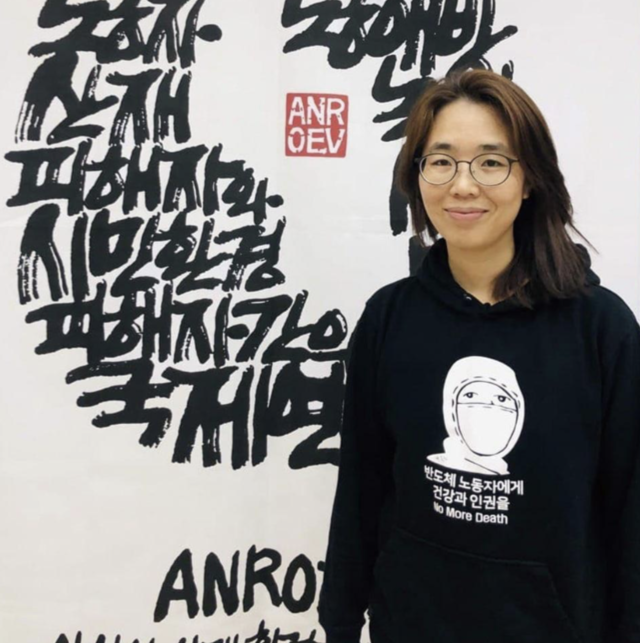
Young eun, Kwon
Supporters for the Health and Rights of People in the Semiconductor Industry (SHARPS)
Moderator
e-mail | sharps@hanmail.net
Young Eun Kwon has been working with SHARPS (Supporters for the Health and Rights of People in the Semiconductor Industry) since 2013, working for the health and human rights of workers. She studied Economics and Political Science and International Relations at university and graduate school. Before joining SHARPS, she worked as a volunteer reporter with Migrant Workers’ TV, as an intern providing educational support for North Korean refugee youth at the Citizens’ Alliance for North Korean Human Rights, and as an activist at Human Rights Solidarity for Prisoners, where she was responsible for human rights education for people in prison. At SHARPS, she focuses on workers’ health and human rights, with particular interests in international solidarity and gender issues. She has also been involved in coordinating and running the SHARPS office. She is a member of the Korean Network for Business and Human Rights and participates in its campaign for the enactment of a supply chain responsibility law. She is currently coordinating the I-SHARPS International Forum, with the hope that the forum will bring together voices on semiconductor workers’ health and human rights and environmental justice, while strengthening international solidarity and networks.
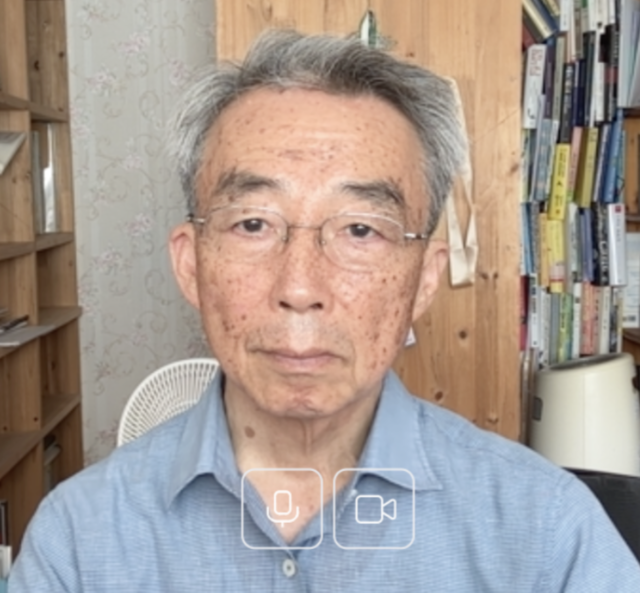
Over the past 40 years, Domyung Paek has been mainly in academic circles, but witnessed many aspects of societal changes on the streets of Korea, including health and safety. Starting from a small idea of introducing Material Safety Data Sheet to Korea in 1992, 'the right to know' initiatives trickled into the 'Mediation Committee' activities for 'Samsung Semiconductor Leukemia' cases (2014), despite the allegations of no known use of carcinogens at the workplace by the company. The network with occupational and environmental victims made the total 'Asbestos Ban' possible, a win over the controlled use in Korea, together with compensation schemes for environmental victims of asbestos related diseases (2009). He had been the investigation committee chair for the 'Humidifier Disinfectant Lung Injury' (2013) and went to court as the expert witness for the 'humidifier disinfectant victims. These efforts have been possible only through system changes in the connection or network of roles.
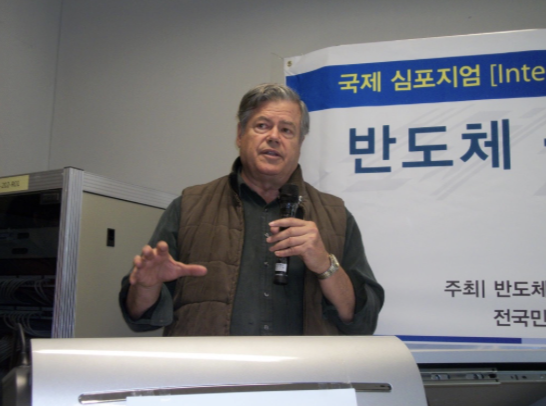
Ted Smith
International Campaign for Responsible Technology
Speaker
e-mail | tsmith@igc.org
Ted Smith is founder and former Executive Director of Silicon Valley Toxics Coalition, a grass roots environmental-labor coalition formed in 1982 in response to environmental pollution caused by electronics manufacturing in Silicon Valley, California. Ted is also co-founder and Board Chair of the International Campaign for Responsible Technology (ICRT), an international network committed to working for the development of sustainable, non-polluting technologies. He is co-editor and co-author of “Challenging the Chip: Labor Rights and Environmental Justice in the Global Electronics Industry” published by Temple University Press, 2006.
In 2015, Ted was a co-convener of an international initiative which led to the development of the “Chemicals Challenge to the global electronics industry” which has been endorsed by many civil society groups and labor unions around the world.
Ted is married to Amanda Hawes, a founder of Santa Clara Center for Occupational Safety and Health and an OSH lawyer.
Session1 : Occupational Diseases in the Semiconductor Industry
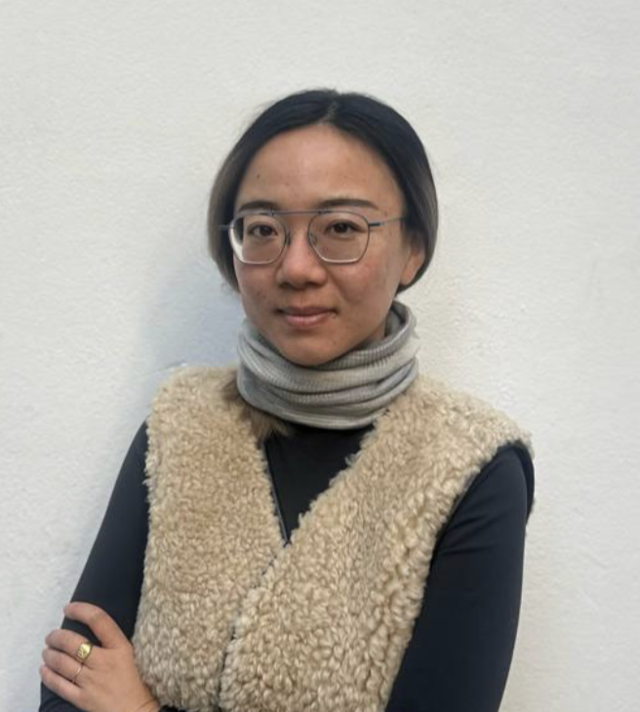
Xiaowei Wang
Moderator
e-mail | xiaowei.wang@northwestern.edu
Xiaowei Wang is a researcher, educator and writer. Their research and writing over the past 15 years focuses on environmental justice, labor and technology. Currently, they are a Mancosh Fellow at Northwestern University in Chicago and one of the lead stewards of Collective Action School, a community school for tech workers looking to organize their workplace and build more sustainable technology. They have taught as a faculty member at ELISAVA’s Master in Design for Responsible AI program, as well as classes on gender and the environment at UC Berkeley and UC Santa Cruz. Before entering academia, Xiaowei worked as a software engineer and designer at Meedan, an international tech non-profit building tools to support independent media and civil society organizations across the world to promote democratic participation, protect public health, and defend human rights.
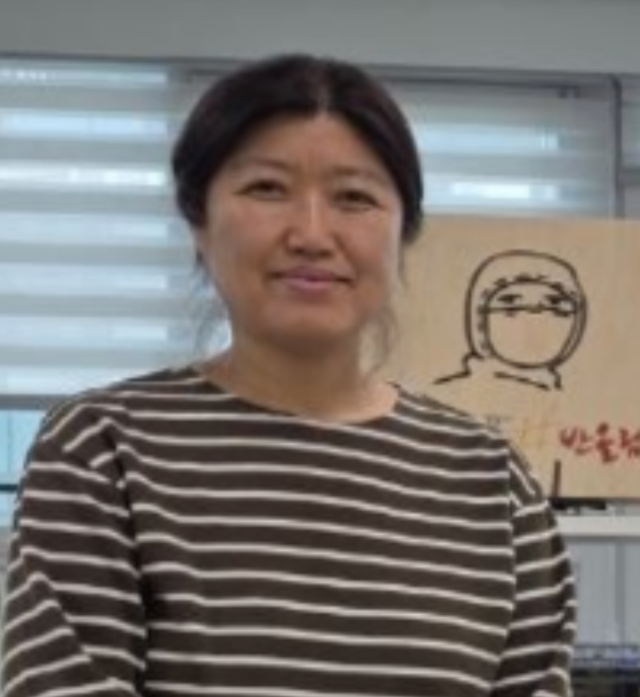
Jongran, Lee
Supporters for the Health and Rights of People in the Semiconductor Industry (SHARPS)
Speaker
e-mail | jongran2011@gmail.com
After working as a labor consultant providing labor counseling at the Korean Confederation of Trade Unions (KCTU), he became involved in the movement for truth and recognition of occupational diseases in the semiconductor industry after meeting the father of the late Hwang Yu-mi, a Samsung Semiconductor worker who died of leukemia in 2007. He joined labor and social organizations in forming the Joint Committee for Truth and Recognition of Occupational Diseases, now known as SHARPS. As reports from affected workers continued, he became a full-time activist with SHARPS and has continued his work through 2026, providing counseling and supporting workers and families seeking recognition of occupational diseases. He also serves as a co-executive chair of the Joint Action for a Just Transition in the Semiconductor Industry.
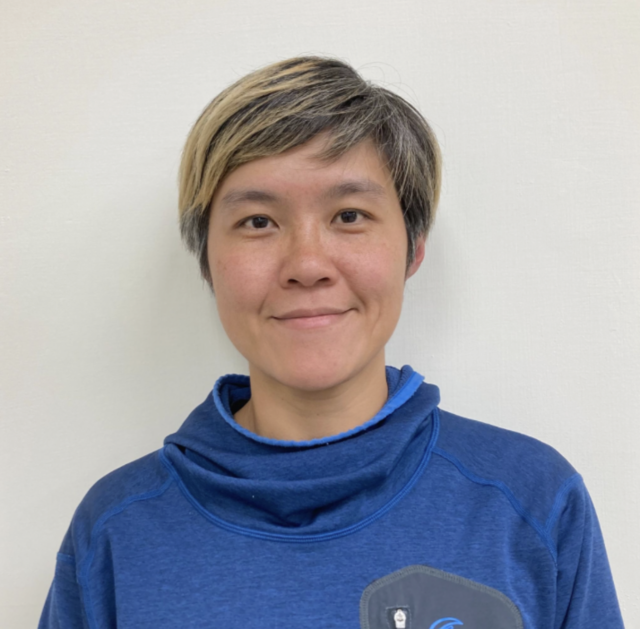
Nien-Yun Liu
Taiwan Association for Victims of Occupational Injuries (TAVOI)
Speaker
e-mail | yunontheroad@gmail.com
Senior activist at Taiwan Association for Victims of Occupational Injuries (TAVOI); primarily assists with organizing and advocacy efforts regarding the RCA occupational disease cases. She currently resides in Taoyuan City, the site of the RCA contamination incident. She is a co-author and member of the editorial team for ‘Voices Refusing to Be Forgotten: An Oral History of RCA Industrial Injuries’.
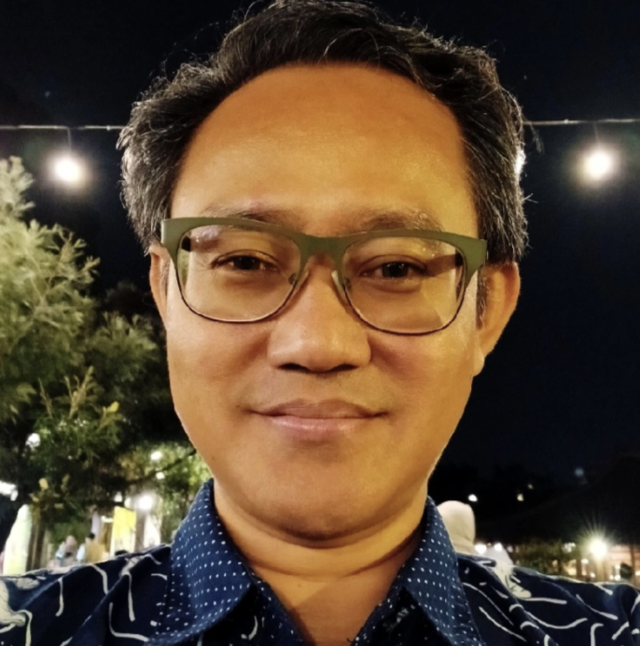
Fahmi Panimbang
International Campaign for Responsible Technology (ICRT)
Speaker
e-mail | fahmi.panimbang@gmail.com
Fahmi Panimbang is the Asia representative of the International Campaign for Responsible Technology (ICRT). He is a labor researcher and activist based in Indonesia, dedicated to documenting, analyzing, and strengthening grassroots labor movements in Asia. His work in the electronics industry focuses on occupational health and safety, including in the nickel and battery supply chain, and the biomonitoring of worker exposure to solvents and metals, and labor rights across global supply chains and high-tech electronics. His relevant publications include co-authors’ Biomonitoring of exposures to solvents and metals in electronics manufacturing facilities in Batam, Indonesia (New Solutions: A Journal of Environmental and Occupational Health Policy, 2024) and the co-edited volume Labour rights in high tech electronics: Case studies of workers' struggles in Samsung Electronics and its Asian suppliers (Asia Monitor Resource Centre, 2013).
Session 2. Environment, Climate and Communities
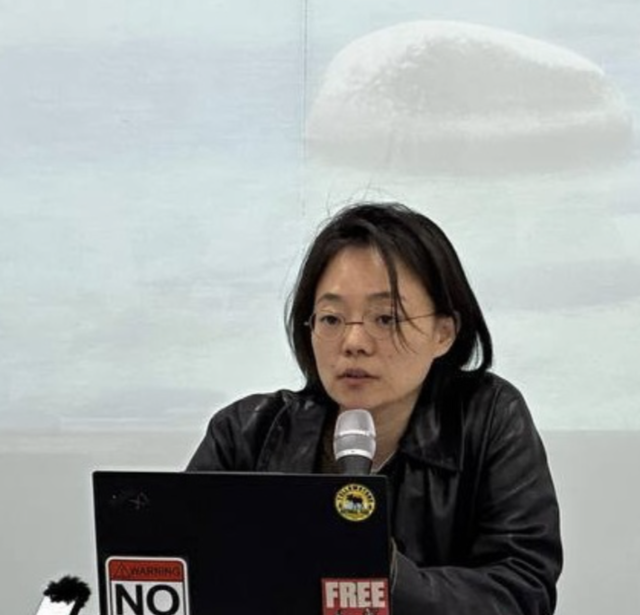
Kawon
Climate Justice Alliance
Moderator
Kawon is an activist at the SARANGBANG Group for human rights and Co-Executive Chair of the Climate Justice Alliance for System Change in South Korea. The Climate Justice Alliance analyzes the climate crisis and climate injustice as rooted in deepening social and global inequalities and the capitalist growth system that produces and reinforces them. The alliance is currently organizing against the government’s “Three Mega Projects,” a large-scale development and industrial restructuring agenda that mobilizes massive amounts of electricity, water, land, and labor for corporate-led growth. The alliance is organizing to build against the Mega Special Zone Act and the Three Mega Projects, while also working with SHARPS (Supporters for the Health and Rights of People in the Semiconductor Industry) to build a just transition in the semiconductor industry.
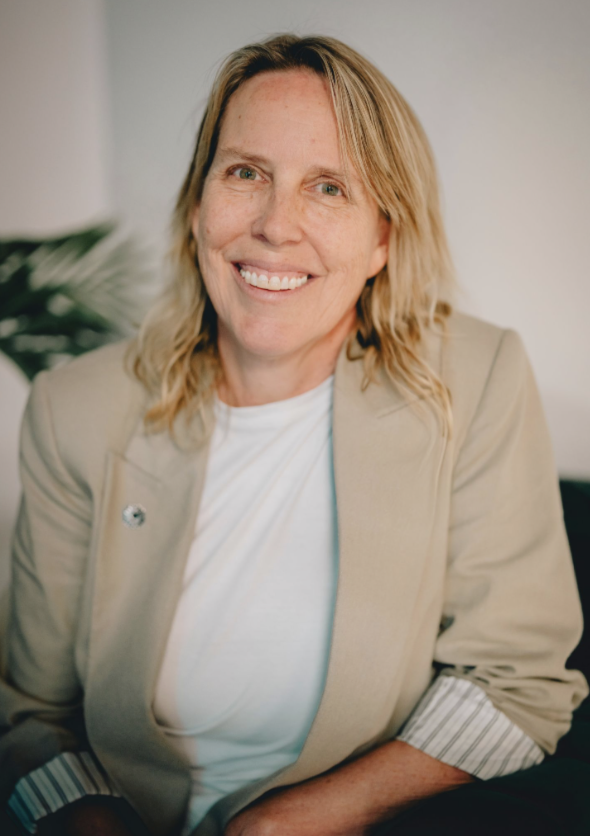
Judith Barish
CHIPS Communities United (CCU)
Speaker
e-mail | info@chipscommunitiesunited.org
Judith is the director of CHIPS Communities United, a US coalition of unions, environmental groups, and community-based organizations collaborating to make the semiconductor industry more sustainable, equitable, and accountable. The coalition’s focus is on chip production in the US, but with a global industry, we believe it is vital to partner with communities across the supply chain and around the world. Judith has been working in social justice advocacy for three decades. Previous positions include advocacy director at Good Jobs First, an activist think-tank that tracks corporate subsidies, and communications director at the California Labor Federation. Judith also founded and led a consulting firm providing strategy, research, and writing to community organizing groups and other progressive non-profit organizations. Judith holds degrees from Harvard College, Princeton University, and the Harvard Kennedy School of Government. She lives in Berkeley, California. This is her first time visiting Korea.
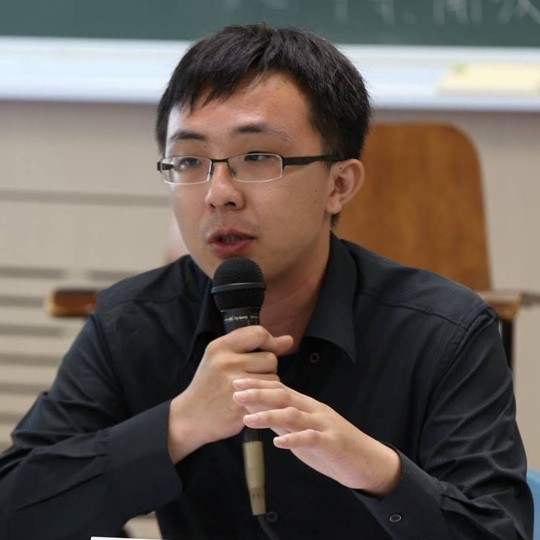
Lin-Hsiang Tang
Director of the Climate Change and Just Transition Department, Environmental Rights Foundation
Speaker
e-mail | aerys@erf.org.tw
Director of the Climate Change and Just Transition Department, Environmental Rights Foundation. The core focus is on how to achieve a just transition toward net zero. Current research and advocacy areas include carbon pricing, accelerating a just transition to renewable energy, decarbonizing hard-to-abate industries such as steel and petrochemicals, and addressing the growing pressure on carbon emissions resulting from the rapidly increasing electricity demand of advanced semiconductor manufacturing processes.
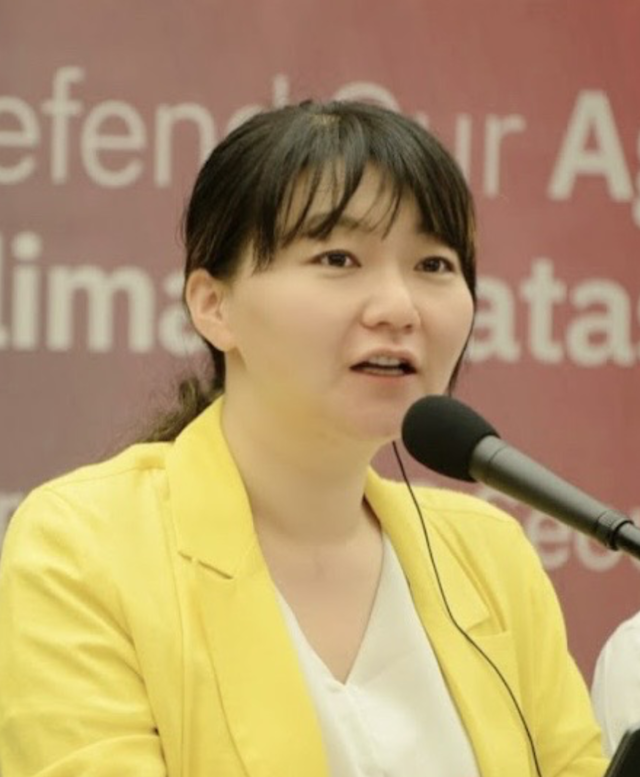
Hyunjung, Lee
Joint Action for a Just Transition in the Semiconductor Industry
Speaker
e-mail | luna980@hanmail.net
I serve as a steering committee member for the Joint Action for a Just Transition in the Semiconductor Industry. Although I majored in environmental engineering as an undergraduate, I came to believe that end-of-pipe treatment technologies alone could not resolve environmental issues or the ecological crisis; consequently, I pursued graduate studies at Graduate School of Environmental Studies of Seoul National University, specializing in landscape ecology and earning a Ph.D. in urban planning. Witnessing how government-led, huge scale development projects—such as the Saemangeum reclamation and the Four Major Rivers Project—destroyed not only ecosystems but also local societies and communities, I became deeply convinced of the necessity for progressive politics and social activism, leading me to engage with organizations such as the New Progressive Party, the Justice Party, and the Climate Justice Alliance Korea. Furthermore, to fulfill the role of an independent expert, I founded the "Green Politics Lab: Gre, through which I analyze and respond to climate, ecological, and environmental issues in Korean society from an eco-socialist perspective.
Session 3. Hazardous Chemicals and the Right to Know
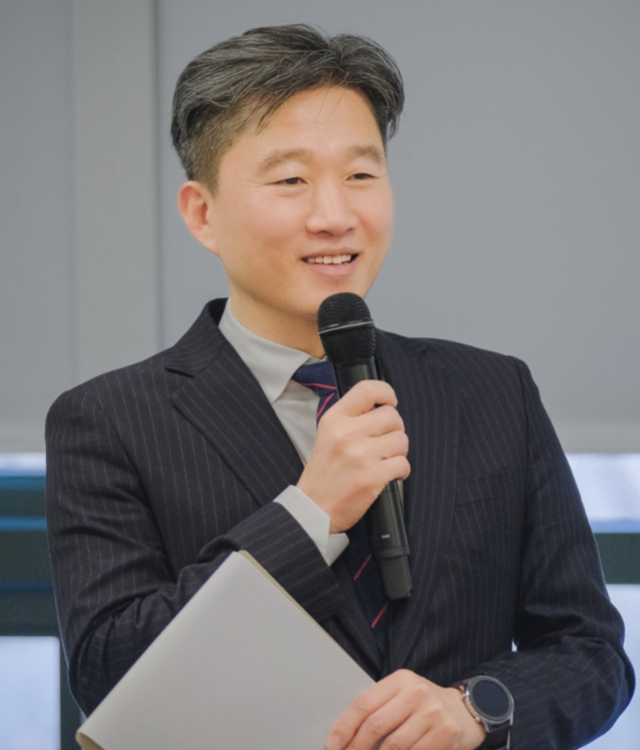
Won, Kim
Wonjin Institute for Occupational and Environmental Health (WIOEH)
Moderator
e-mail | kimwon@wioeh.org
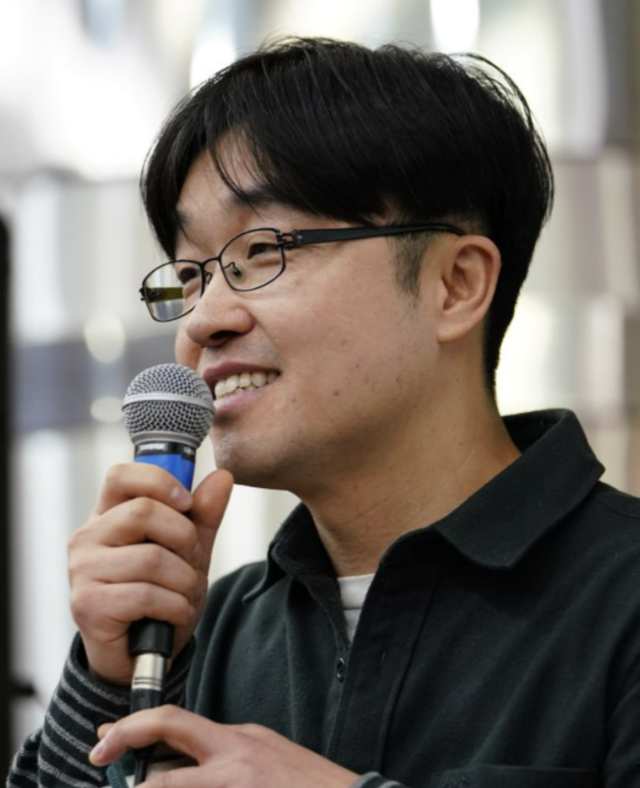
I have been working at the Wonjin Institute for Occupational and Environmental Health (WIOEH) for 25 years and currently serve as its director. Over its 27-year history, the institute has researched the health issues of workers and citizens exposed to hazardous substances, developing social and policy proposals for their prevention and management. My work has primarily focused on epidemiological studies demonstrating occupational exposure to hazardous substances in industrial settings, risk assessments identifying chemical exposure risks, environmental pollution investigations examining the impact of hazardous substance leaks, and biomonitoring studies tracking exposure levels among workers and the general public. Moving forward, I will continue my research efforts to help build a society safe from hazardous substances.
Sangsoo LEE
Supporters for the Health and Rights of People in the Semiconductor Industry (SHARPS)
Speaker
e-mail | sharps@daum.net
I first became involved with SHARPS by joining its sit-in protest and, drawing on my experience as an engineer at Samsung Electro-Mechanics, giving testimony and statements on behalf of leukemia victims from Samsung Electro-Mechanics. I later joined SHARPS as a full-time activist. My work has focused on improving environmental health and safety, the right to know, and chemical regulations and related systems. I have taken part in surveying the health conditions of Samsung Electronics workers and in research exposing environmental health and safety problems at Samsung Electronics' factories in Vietnam. I am currently developing an app that analyzes the chemicals companies use, to raise awareness of chemical hazards across the semiconductor and electronics industry supply chain.
Chinkie Peliño-Golle
International Pollutants Elimination Network (IPEN) and EcoWaste Coalition
Speaker
e-mail | cpelino@ecowastecoalition.org
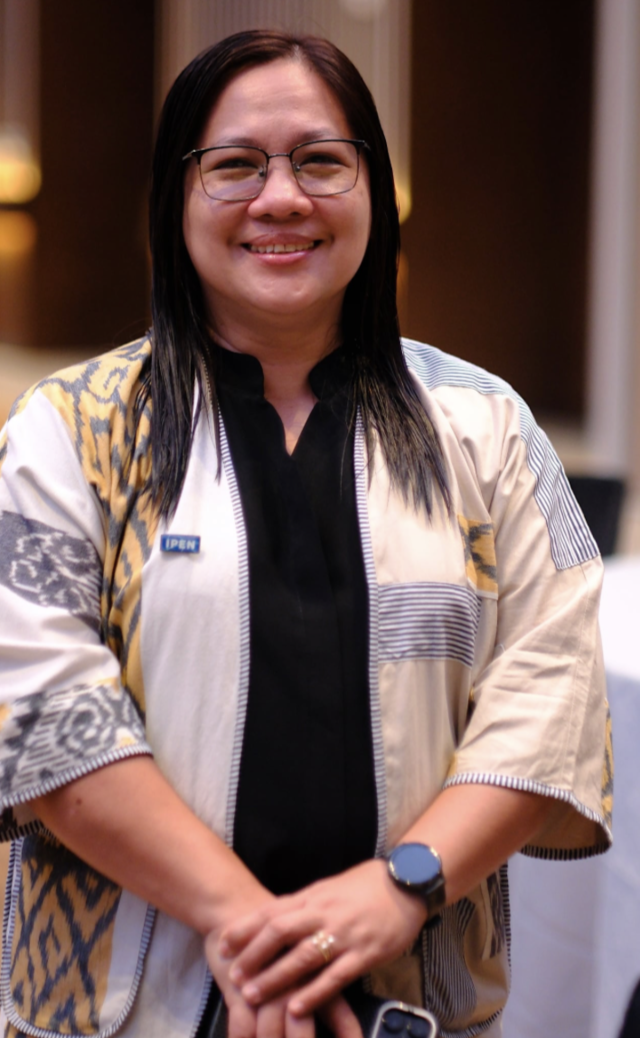
Chinkie Peliño-Golle (she/her) is the IPEN Regional Coordinator for Southeast and East Asia, with over 20 years of experience advancing environmental and public health protection, participatory governance, and public engagement in policy processes.
She also serves as the Regional Facilitator for UNEP Major Groups and Stakeholders for Asia and the Pacific. She has contributed to international environmental policy processes, including the Global Framework on Chemicals, the Intergovernmental Science-Policy Panel on Chemicals, Waste and Pollution, the Minamata Convention on Mercury, and the United Nations Environment Assembly, among others.
Kyung Seok, Lee
Center for Worker’s Health and Safety
Speaker
e-mail | markks@eco.or.kr
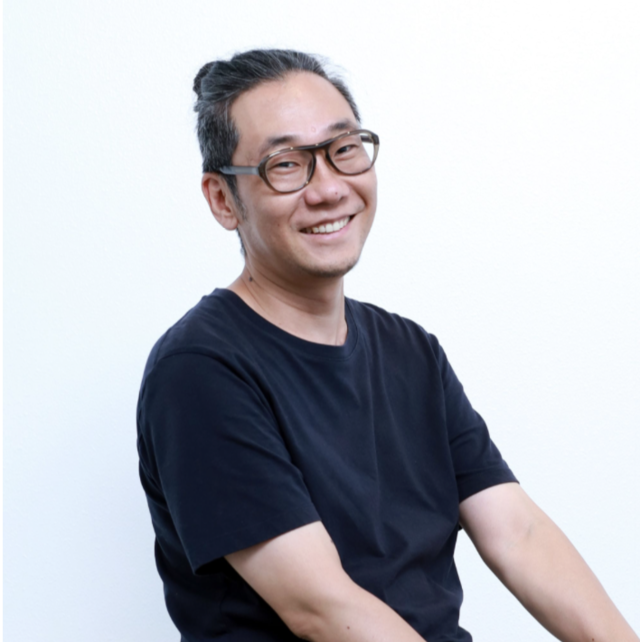
He began working on chemical safety issues through environmental advocacy aimed at reducing consumers’ exposure to chemicals and strengthening the responsibility of companies involved in the production and distribution of chemical products. Since the humidifier disinfectant disaster in Korea, he has monitored key chemical safety regulations, including the K-REACH and Chemicals Control Act, to ensure that these protections do not regress.He currently represents civil society in the Chemical Safety Policy Forum, a policy dialogue platform involving government, industry, and civil society. He works to bring about meaningful policy change based on the voices and experiences of people affected in the field and to help build a safer society for everyone.
Optional program. Storied from Mining to E- Waste Through Photos and videos

Marie-Therese is a facilitator and investigative researcher working in transnational alliance-building at the intersections of tech infrastructure, resource justice, and critical security studies. She holds a strategic role within the Green Screen Coalition, building coalitions in geographies such as Taiwan, Malaysia, Brazil, Chile, DRC and Costa Rica. In this vein, she creates Afro-Asian diasporic dialogues, and political and epistemic analyses, with intergenerational culture workers and transnational movement builders from African and Asian diasporas. She held previous roles at the United Nations and DeepMind, and was a research scholar at the Institute of Advanced Studies where she led an initiative on the geopolitics of AI industry supply chains, including physical infrastructure and critical minerals. She is completing her PhD at the Oxford Internet Institute on these topics.
Maurice Carney
Executive Director, Friends of the Congo
Speaker
e-mail |
Maurice Carney is a co-founder and Executive Director of the Friends of the Congo. He has worked with Congolese for over twenty-five years in their struggle for peace, justice and human dignity. Mr. Carney possesses two bachelors degrees, a masters degree and is pursuing a Ph.D. in political science. He has worked with civic associations in West Africa providing training on research methodology and survey. He served as the interim Africa working group coordinator for Rev. Jesse Jackson when he served as Special Envoy to Africa. Mr. Carney has worked as a research analyst for the Joint Center for Political and Economic Studies and as a research consultant for the Congressional Black Caucus Foundation. For decades Maurice has been advocating for the dignity and inclusion of the Congolese civil society in all efforts for peace, democracy, food sovereignty, and climate justice. He provides consultation to political leaders in the US, Canada, Latin America, Africa, the UN as well as to international NGOs and funders. Interviews with Maurice can be found in the New York Times, Washington Post, Al Jazeera, Democracy Now, Pacifica Radio Network and a number of other media outlets.

Petna Ndaliko Katondolo
Speaker
e-mail |
Mwalimu NDALIKO KATONDOLO (Petna), was born in Goma, DR Congo and is a filmmaker, educator and an ancestral ecologist. His multi-genre artistic works are acclaimed for their decolonial Africanfuturistic style, which engages historical content to address contemporary sociopolitical and cultural issues. In 1994, he co- founded Maideni, an ecological youth movement. In 2000, he co-founded Yole!Africa and in 2005 he founded the Ishango Encounter (formerly known as Salaam Kivu International Film Festival). Ndaliko Katondolo teaches and consults regularly for international organisations, addressing social, ecological and political inequity among marginalised groups through culture and Art.
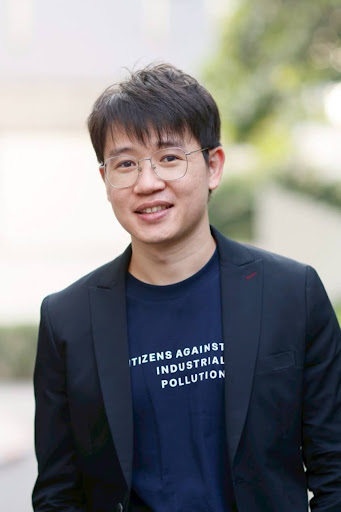
Thitikorn (Pea) Boontongmai
Speaker
e-mail | email: thitikorn.b@earththailand.org
Thitikorn Boontongmai (Pea) is a program Manager and researcher at Ecological Alert and Recovery -Thailand (EARTH). He has conducted studies on industrial pollution and the impacts of industrial operations, particularly in the hazardous waste and industrial waste management sectors. He has supported and provided guidance to communities affected by industrial pollution. Additionally, he has actively campaigned and advocated for environmental pollution issues and the impacts of industrial pollution on an ongoing basis. Furthermore, he has studied issues related to toxic and hazardous chemicals in the environment and consumer products, in collaboration with international networks. He has worked with organizations such as Arnika and IPEN on research projects, including studies on POPs contamination near plastic recycling plants, the illegal dumping of industrial waste in agricultural areas, toxic chemicals in products, hazardous chemicals in plastics, and the impacts of POPs on environmental and human health near electronic waste recycling sites—all conducted in Thailand..
