





반도체 노동자의 건강과 인권지킴이 반올림
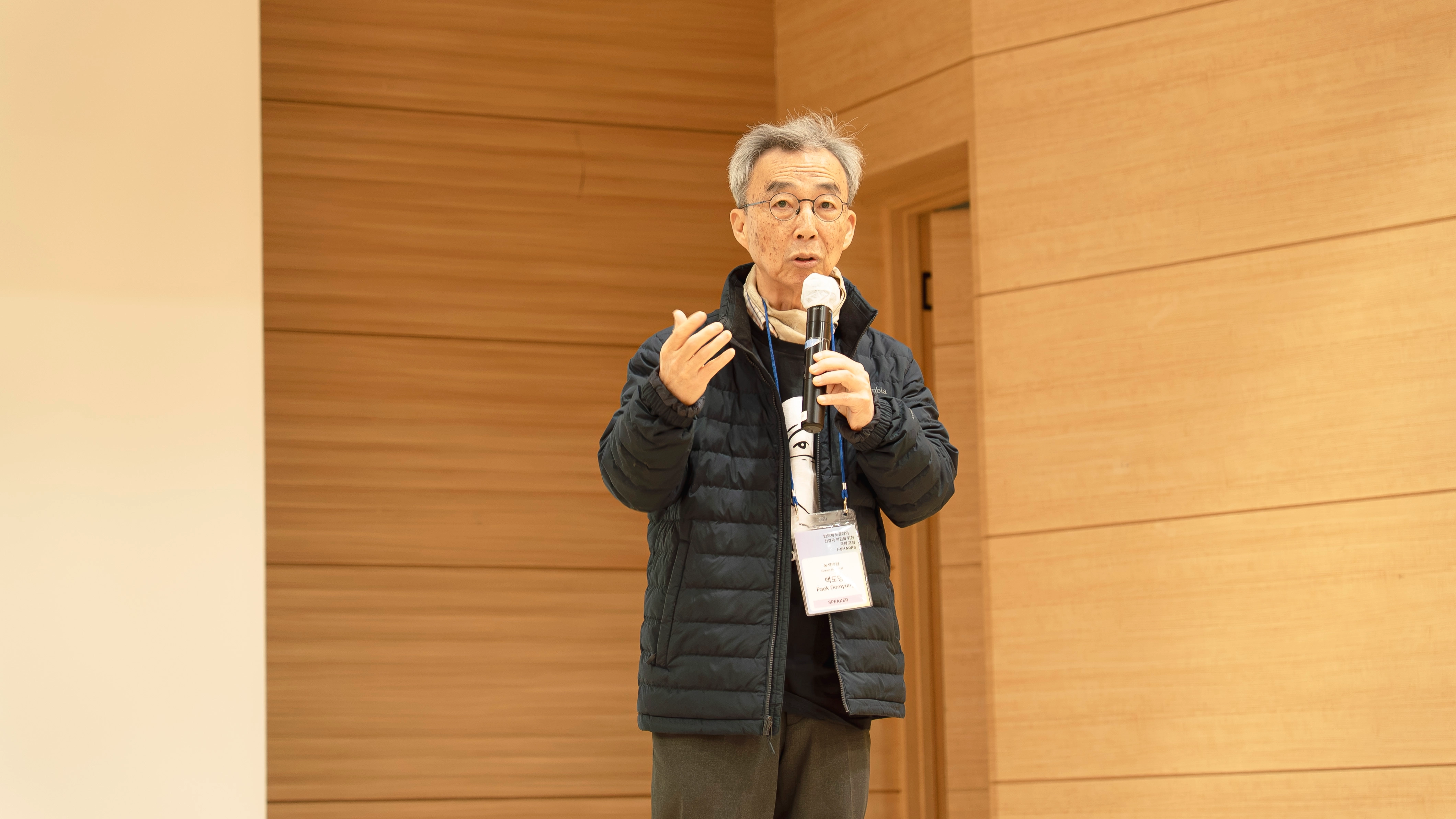
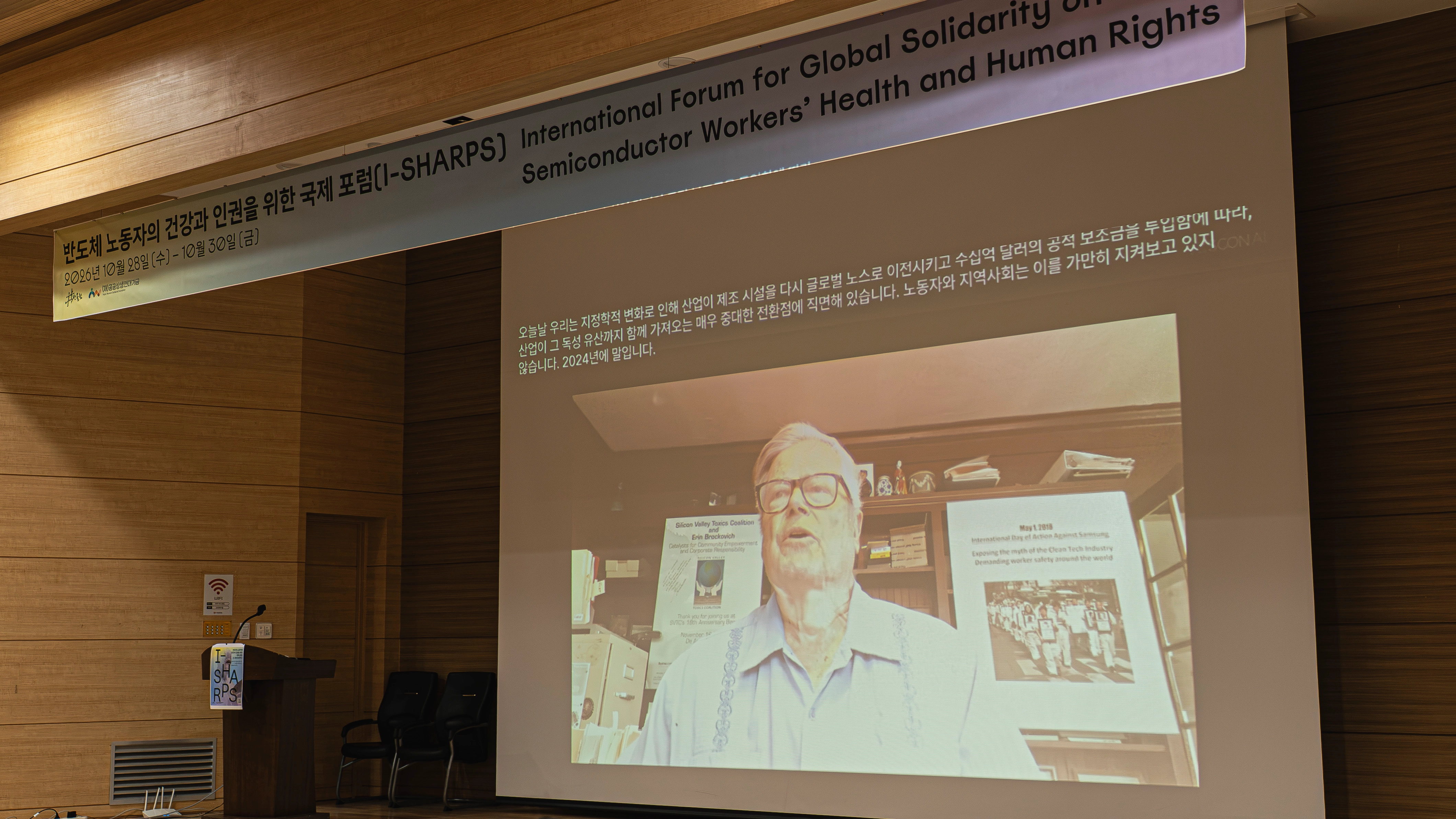
Ted Smith, "Holding the Global Semiconductor Industry Accountable"
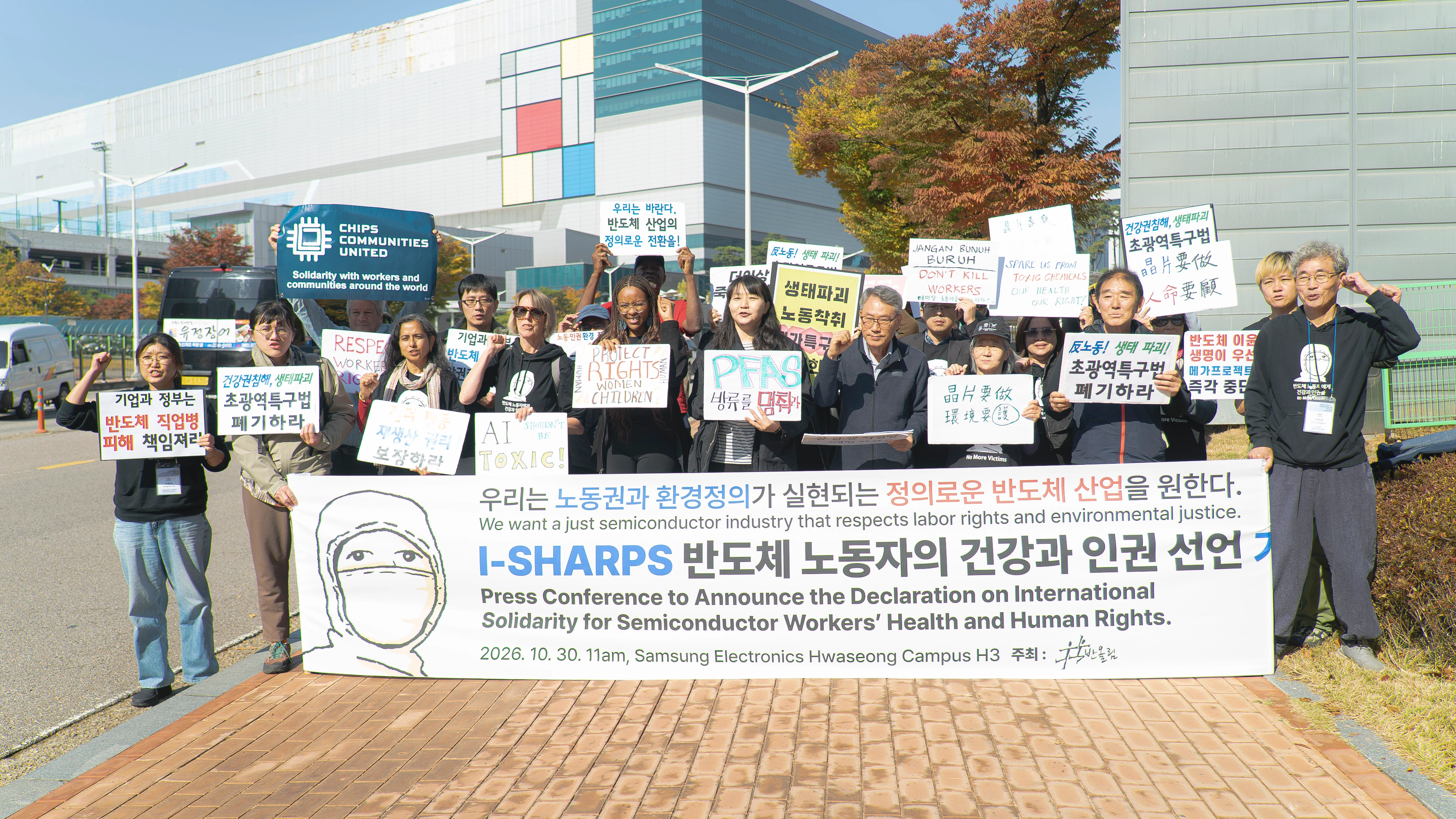
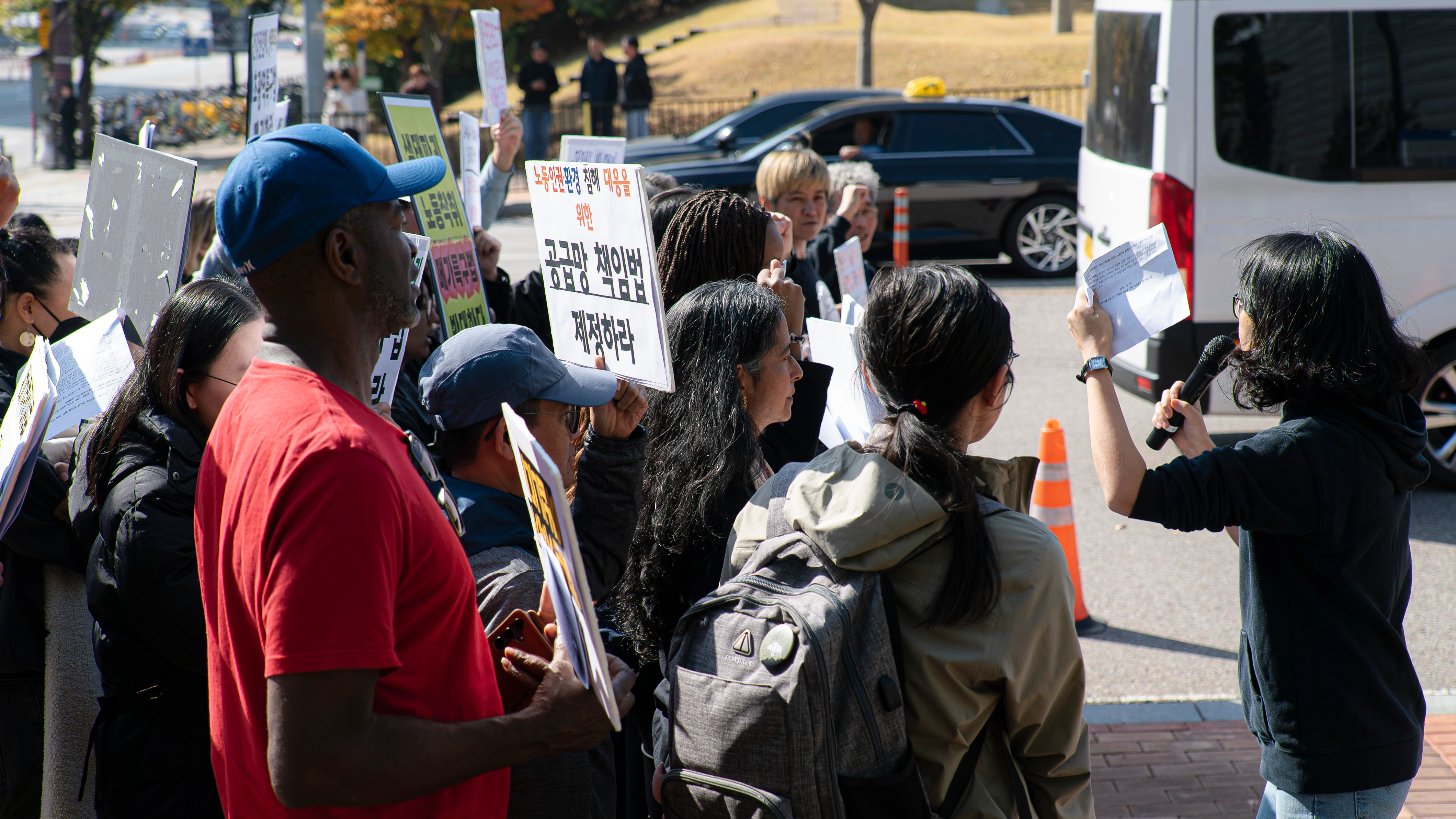
Press Conference at Samsung Electronics Hwaseong Campus
Background
The semiconductor industry has become one of the key drivers of the AI era and digital transformation. Governments around the world are investing heavily in semiconductors as strategic national industries, while multinational corporations continue to expand manufacturing facilities and global supply chains.
Behind this remarkable growth, however, lie serious human rights concerns, including occupational diseases, exposure to hazardous chemicals, environmental pollution affecting surrounding communities, labor rights violations throughout supply chains, and inadequate chemical safety management. Although semiconductor manufacturing is fundamentally a chemical-intensive industry involving thousands of hazardous substances, workers' right to know and access to information about the chemicals they handle remains insufficiently protected in many countries. Women workers continue to face occupational diseases and reproductive health risks. At the same time, hazardous work is increasingly outsourced to subcontracted and migrant workers, while environmental contamination, restrictions on freedom of association, and labor rights violations remain persistent challenges across the global semiconductor industry.
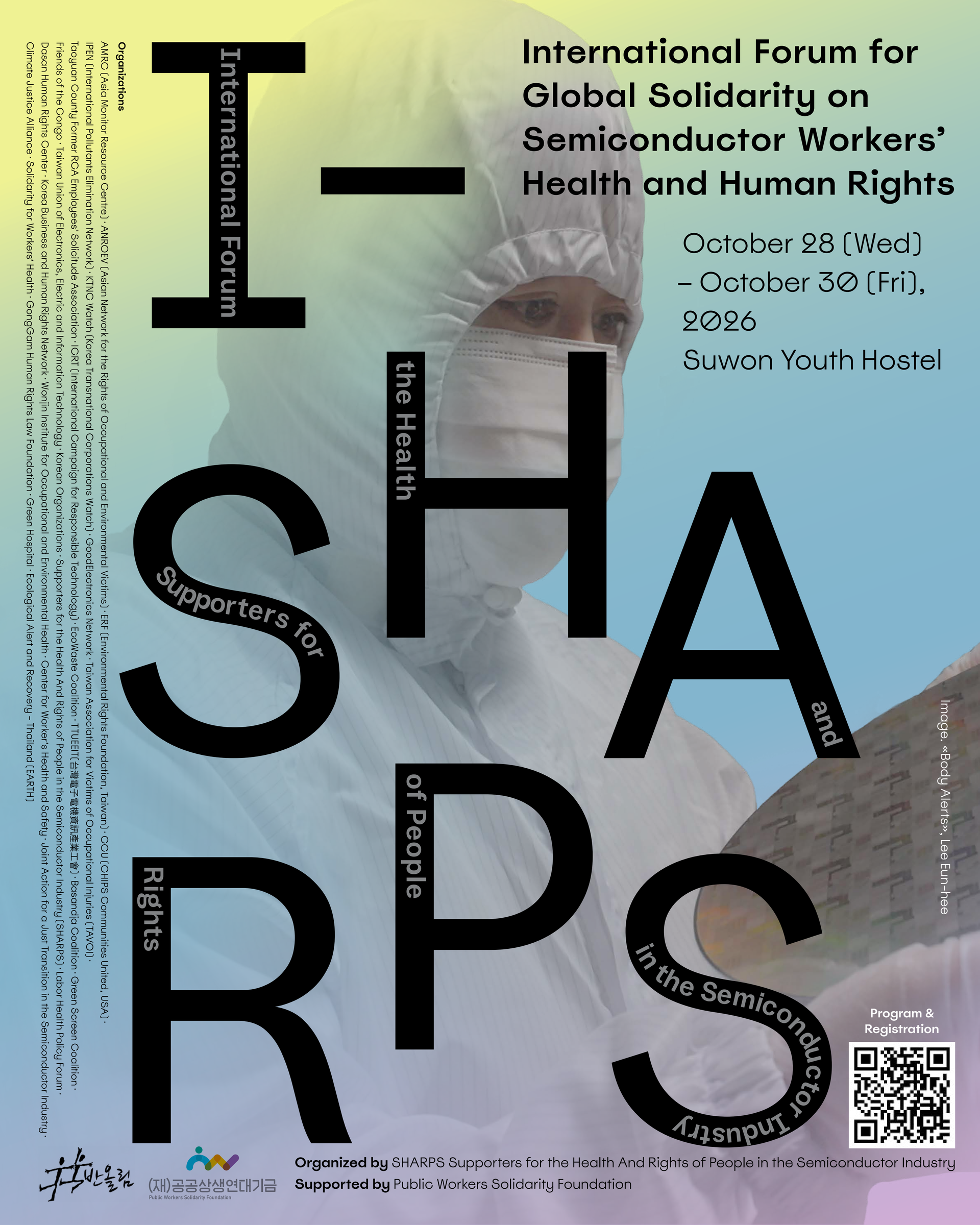
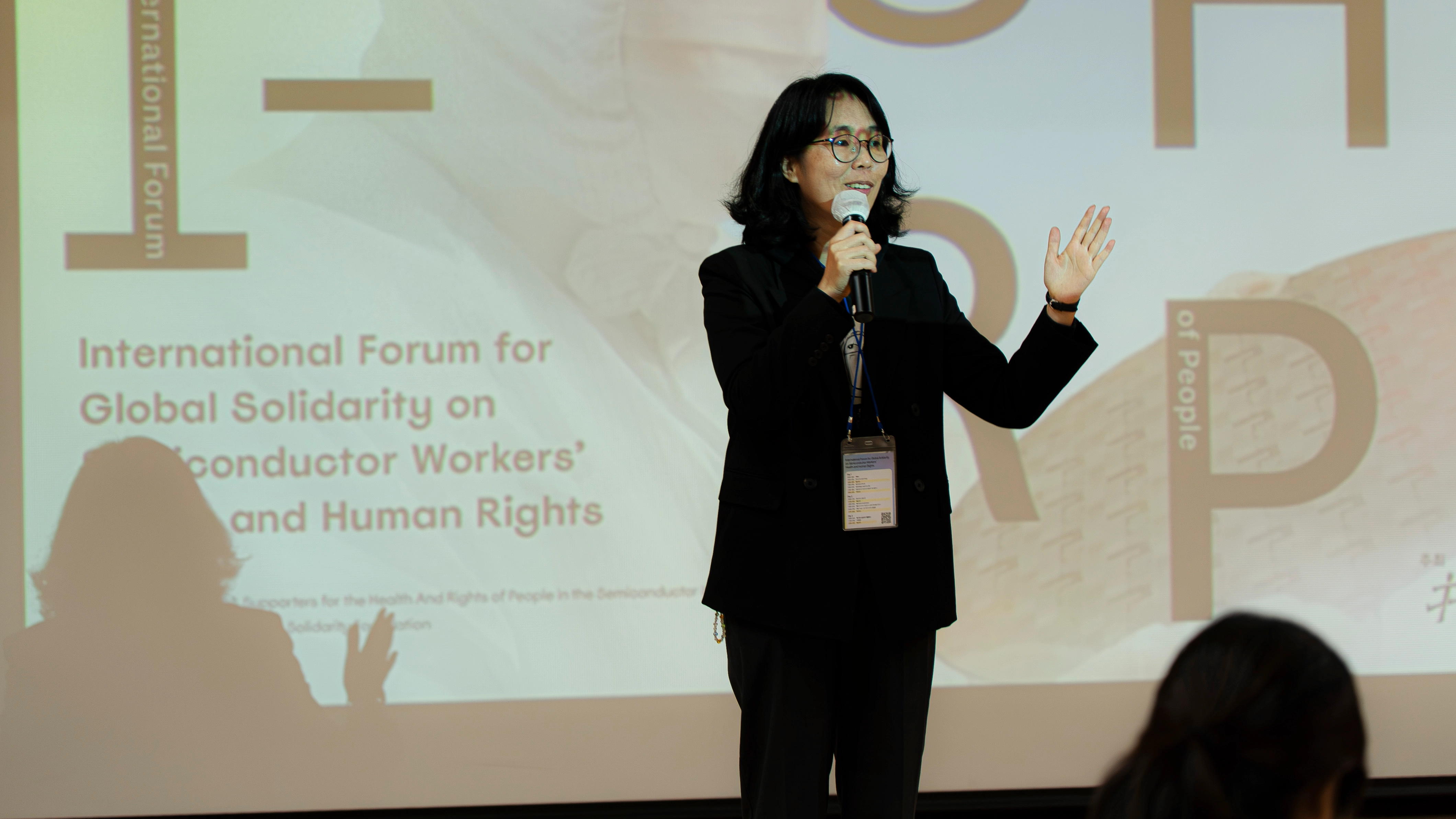
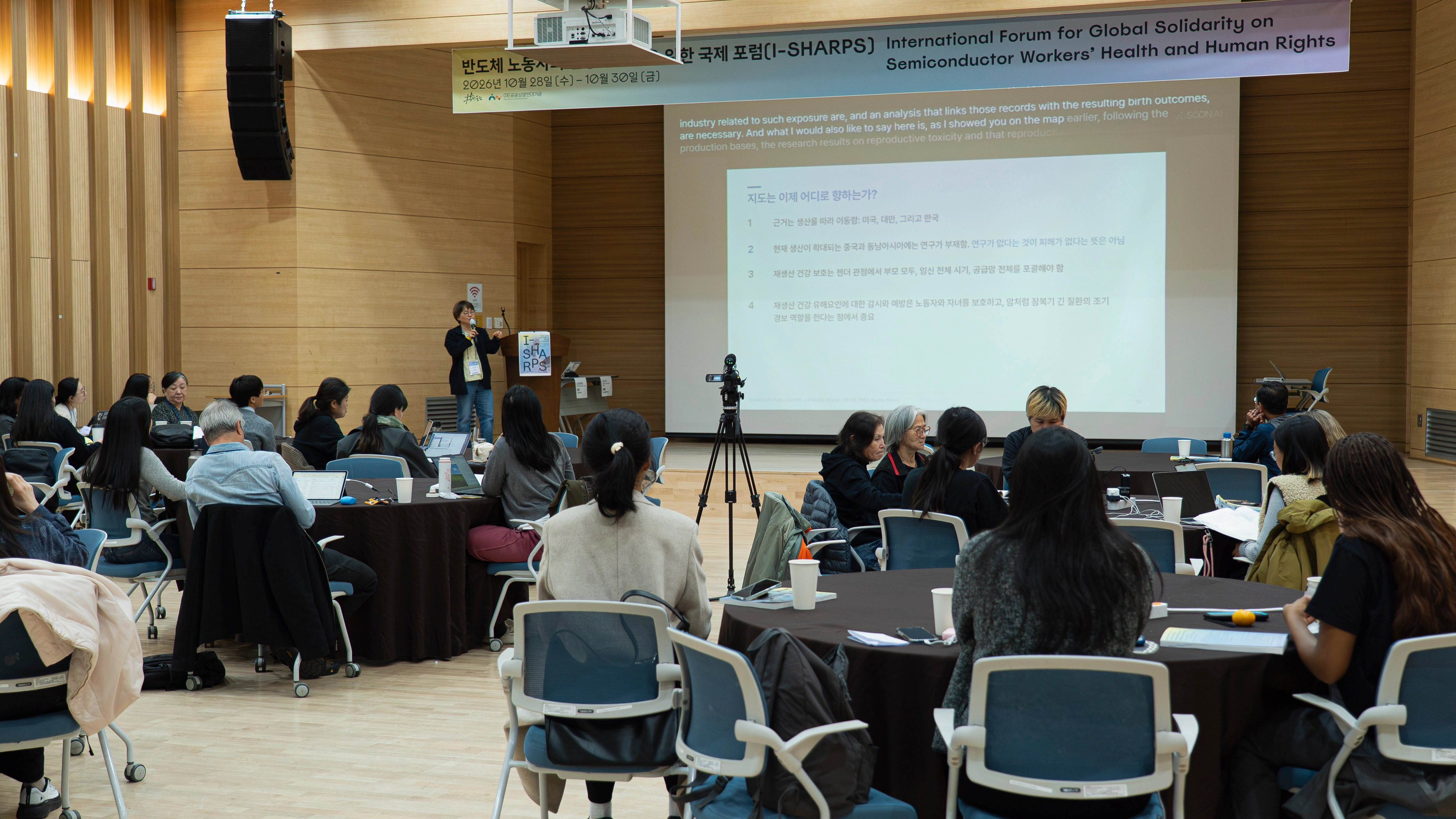
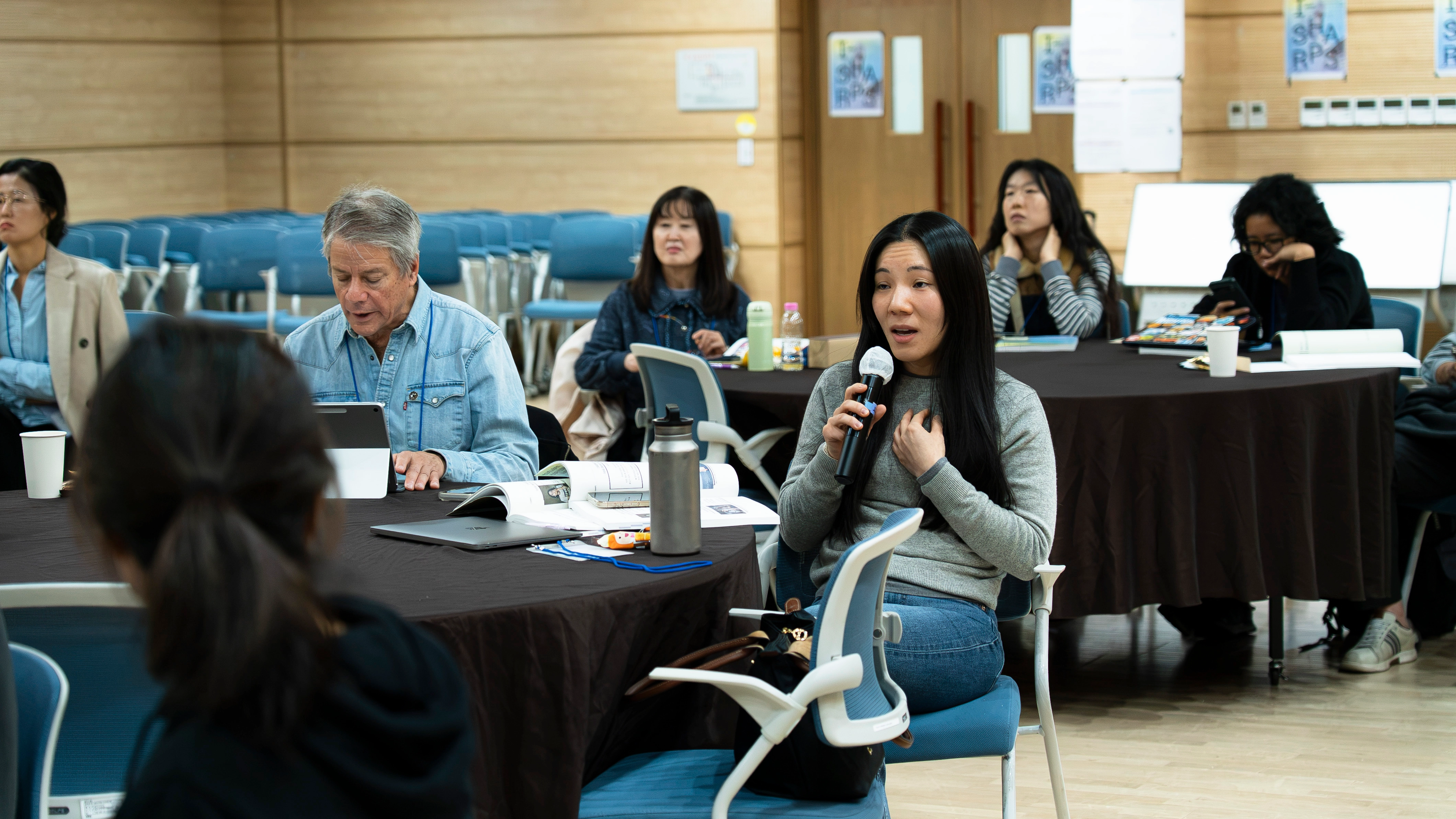
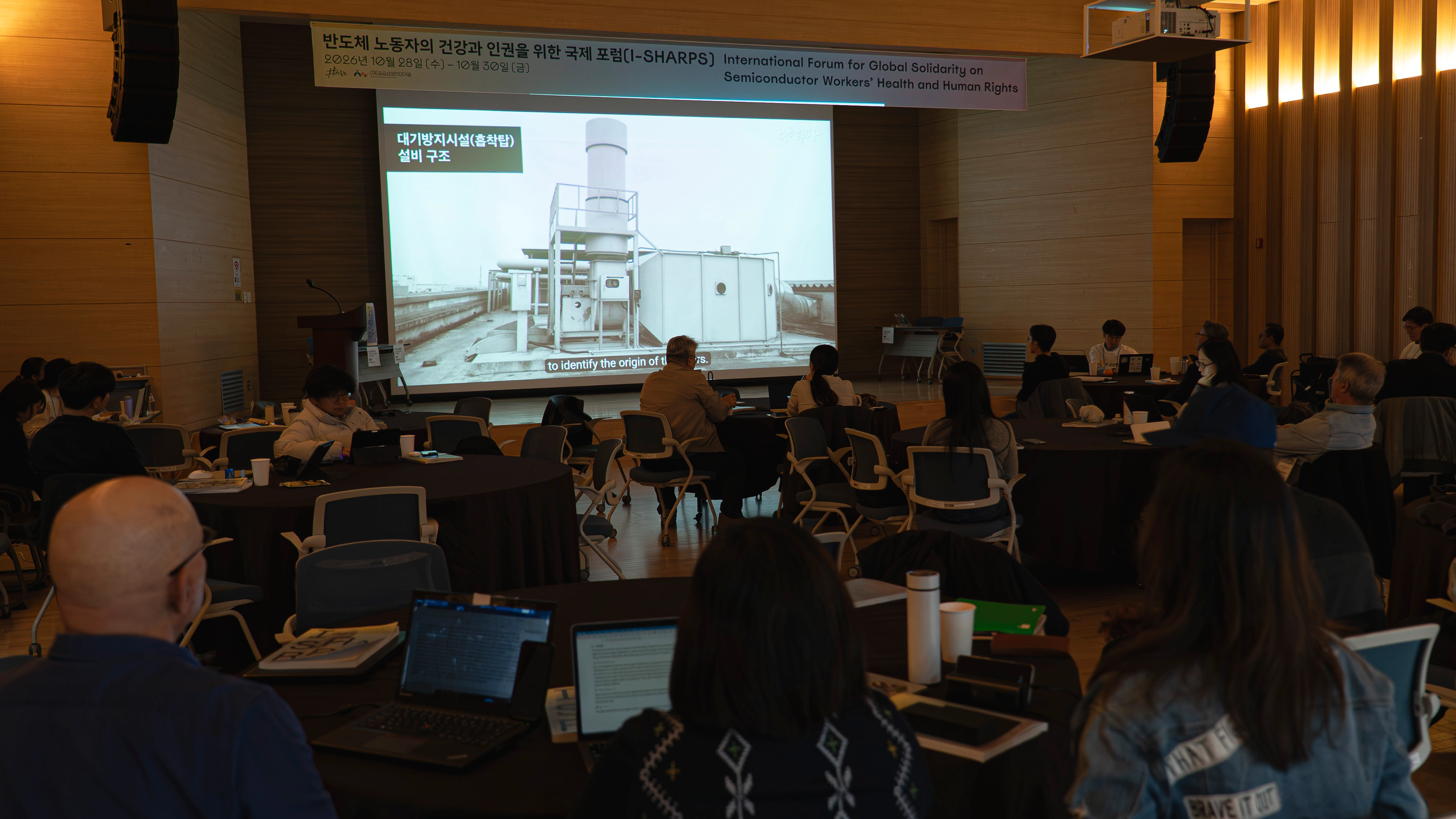
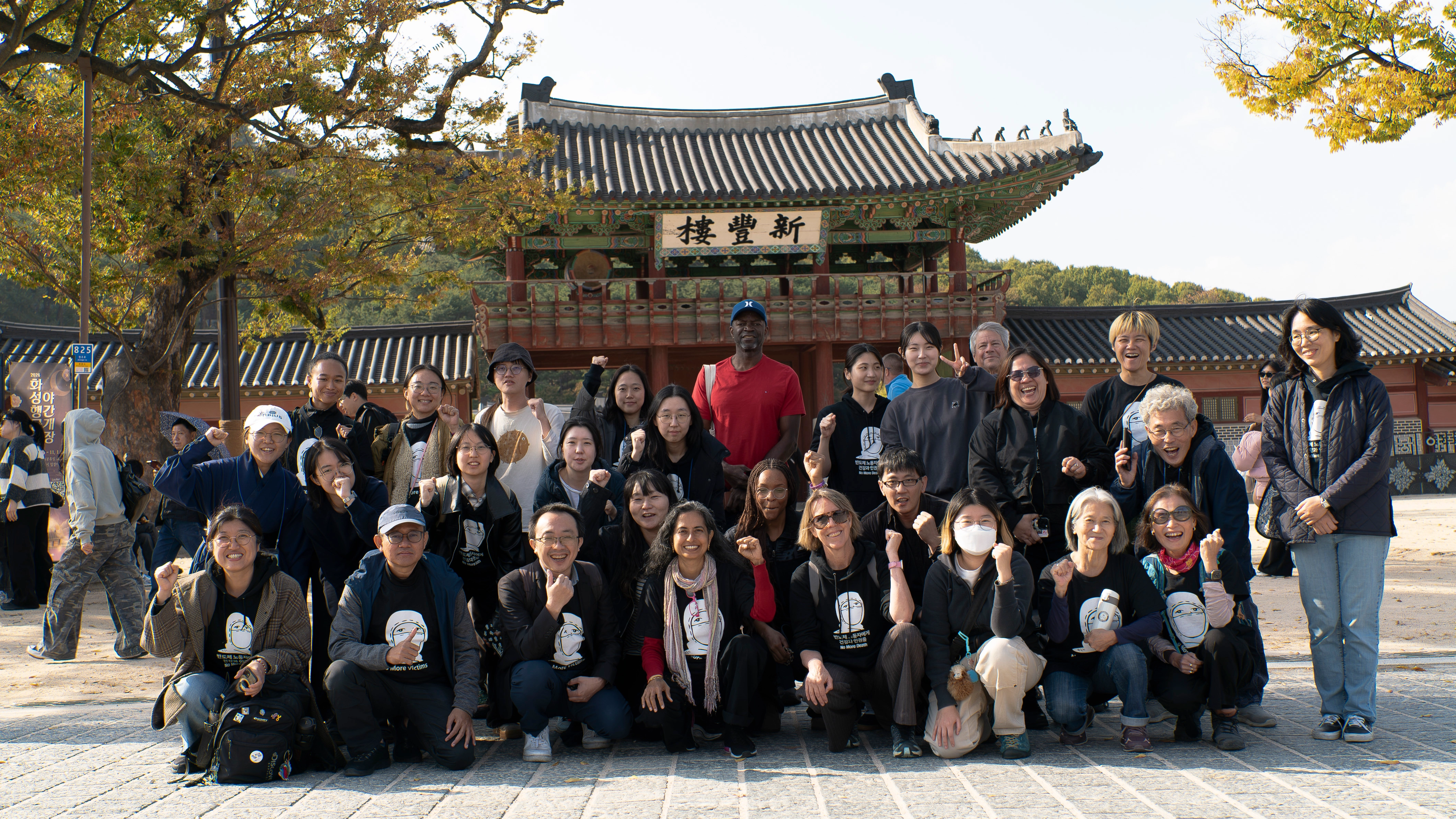
To respond to these shared challenges, SHARPS is organizing the I-SHARPS 2026 International Forum on Semiconductor Workers' Health and Human Rights, bringing together workers, occupational disease victims, trade unions, civil society organizations, researchers, and advocates from around the world to establish a global platform for solidarity.
Agenda
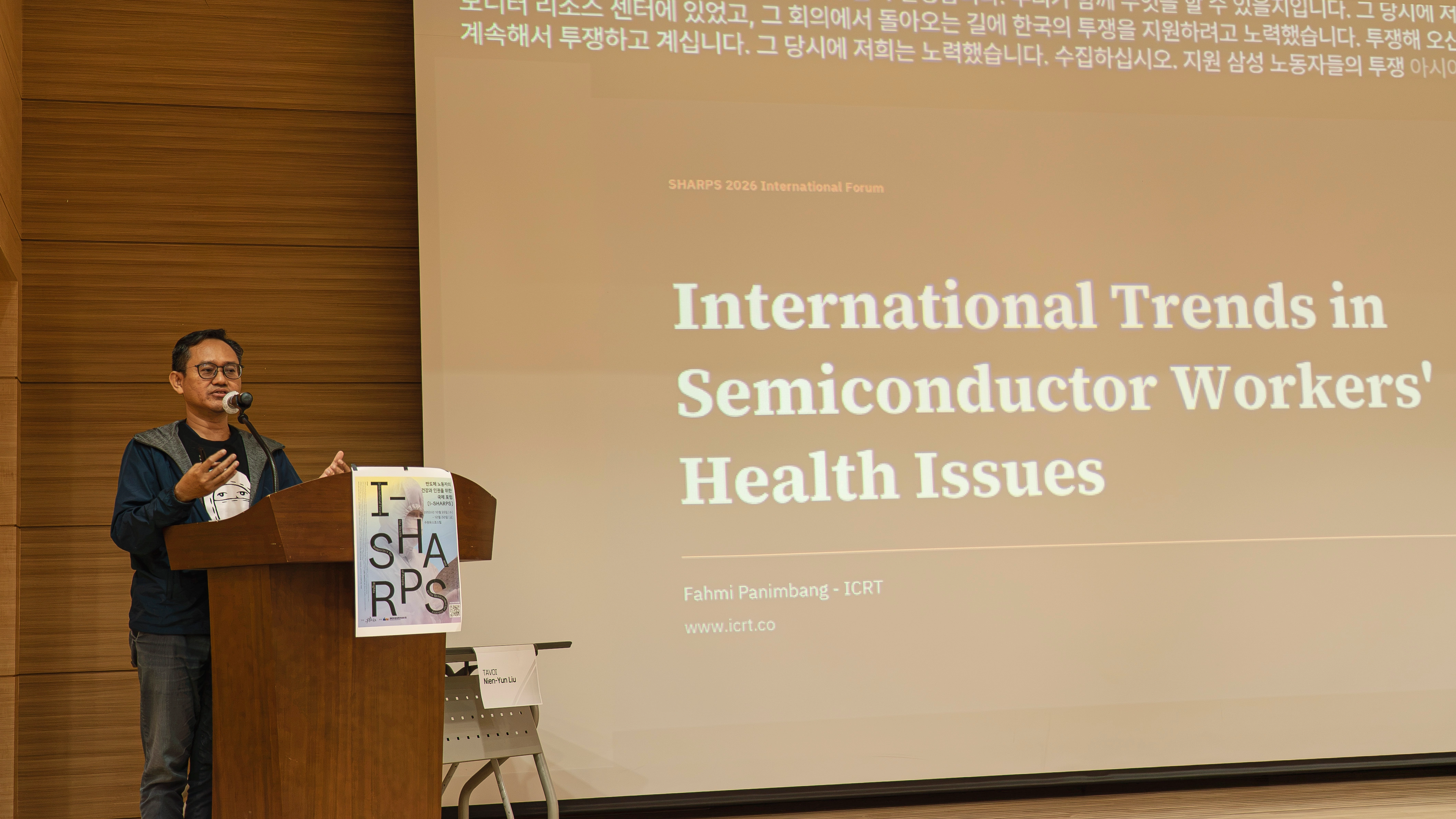
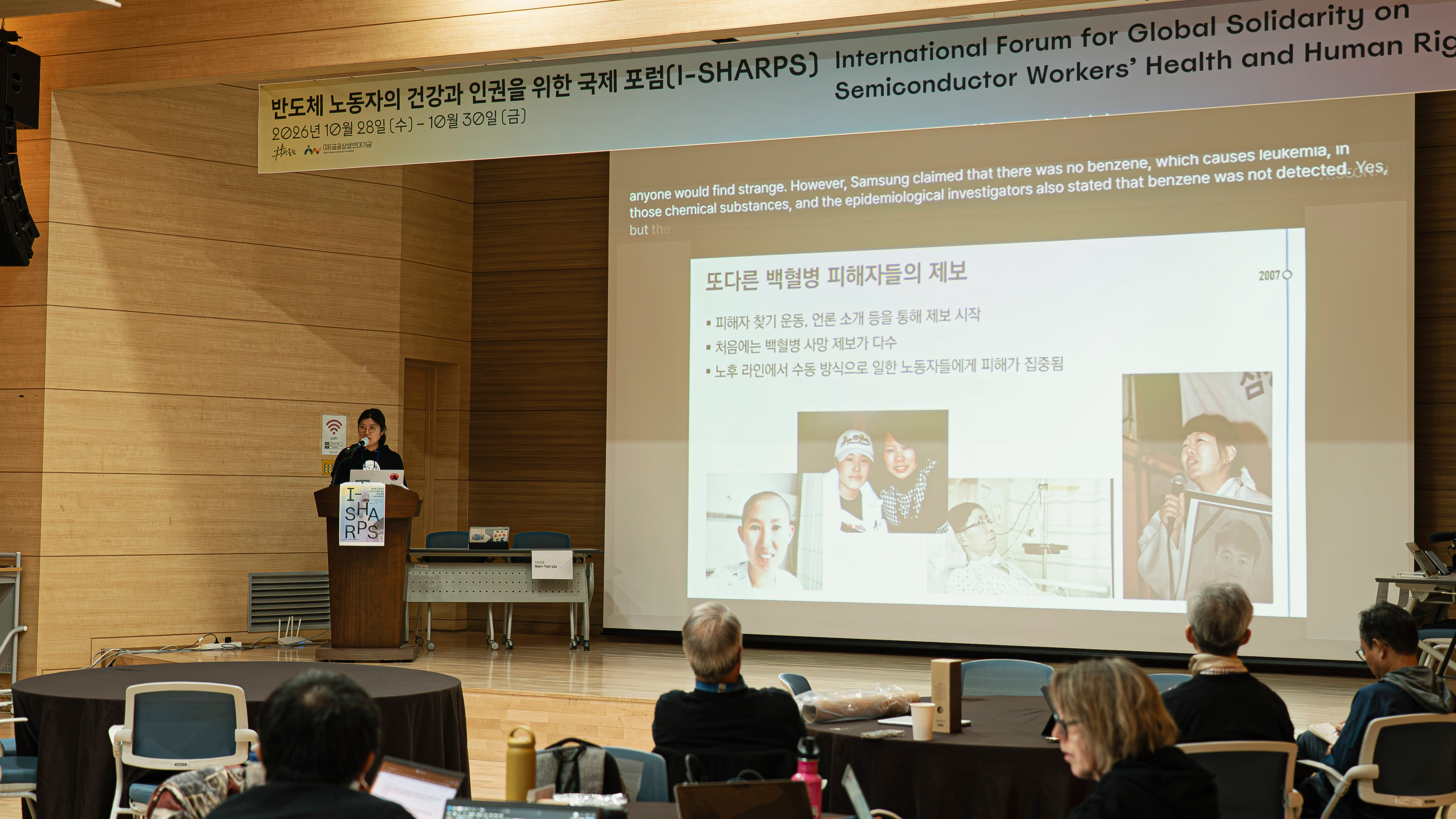
Xiaowei Wang(Northwestern University), Lee Jong-Ran(SHARPS), Nien yun (TAVOI), Fahmi Panimbang(International Campaign for Responsible Technology (ICRT)
Kawon(climate justice alliance), Judith Barish(CHIPS Communities United), TANG,LIN-HSIANG(Environmental Rights Foundation), Hyeonjung Lee(Joint Action for a Just Transition in the Semiconductor Industry )
Won Kim(Wonjin Institute for Occupational and Environmental Health), Sangsu Lee(SHARPS),CHINKIE PELINO GOLLE( International Pollutants Elimination Network (IPEN)), Kyungseok Lee(Center for Worker’s Health and Safety)
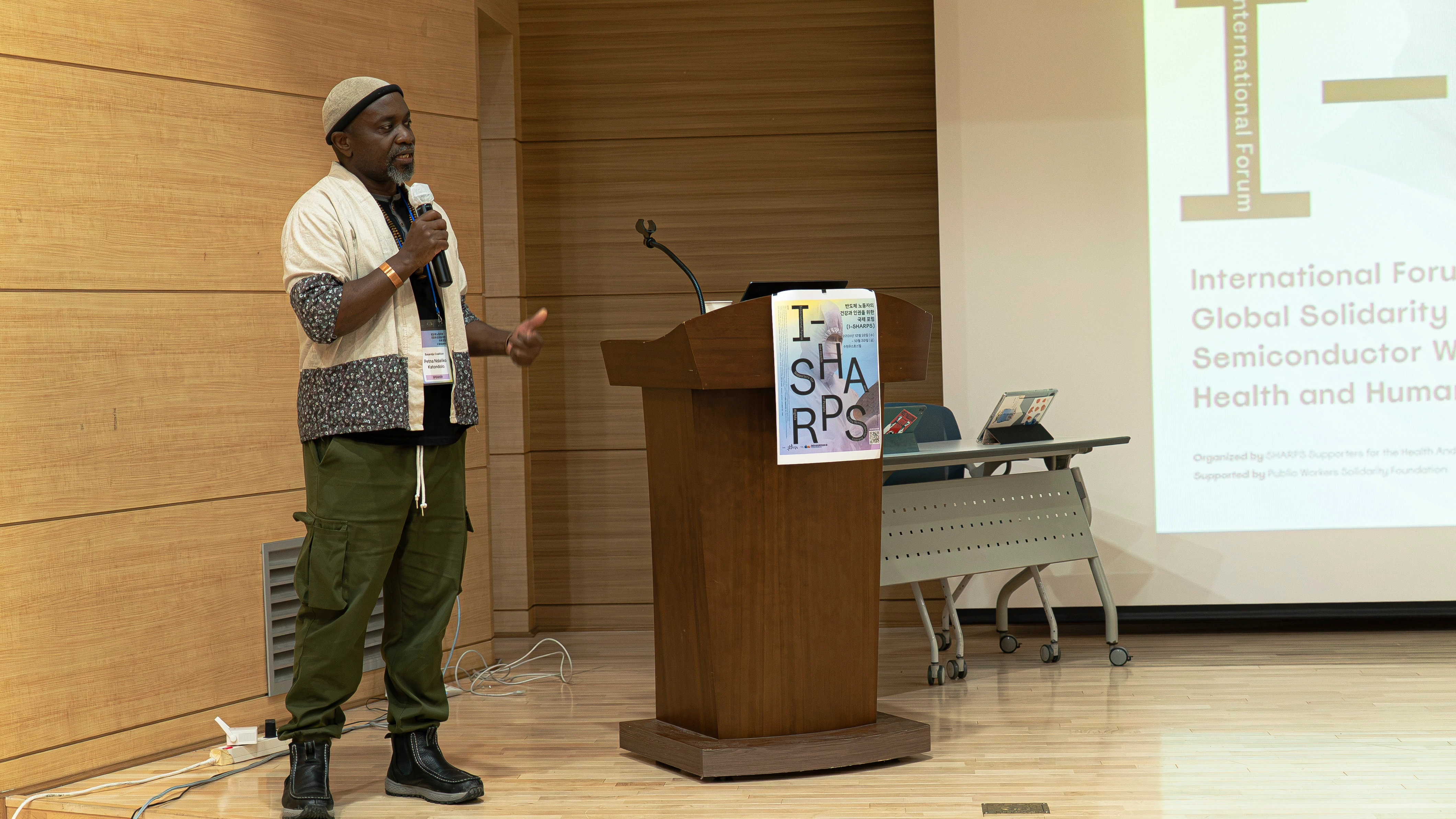
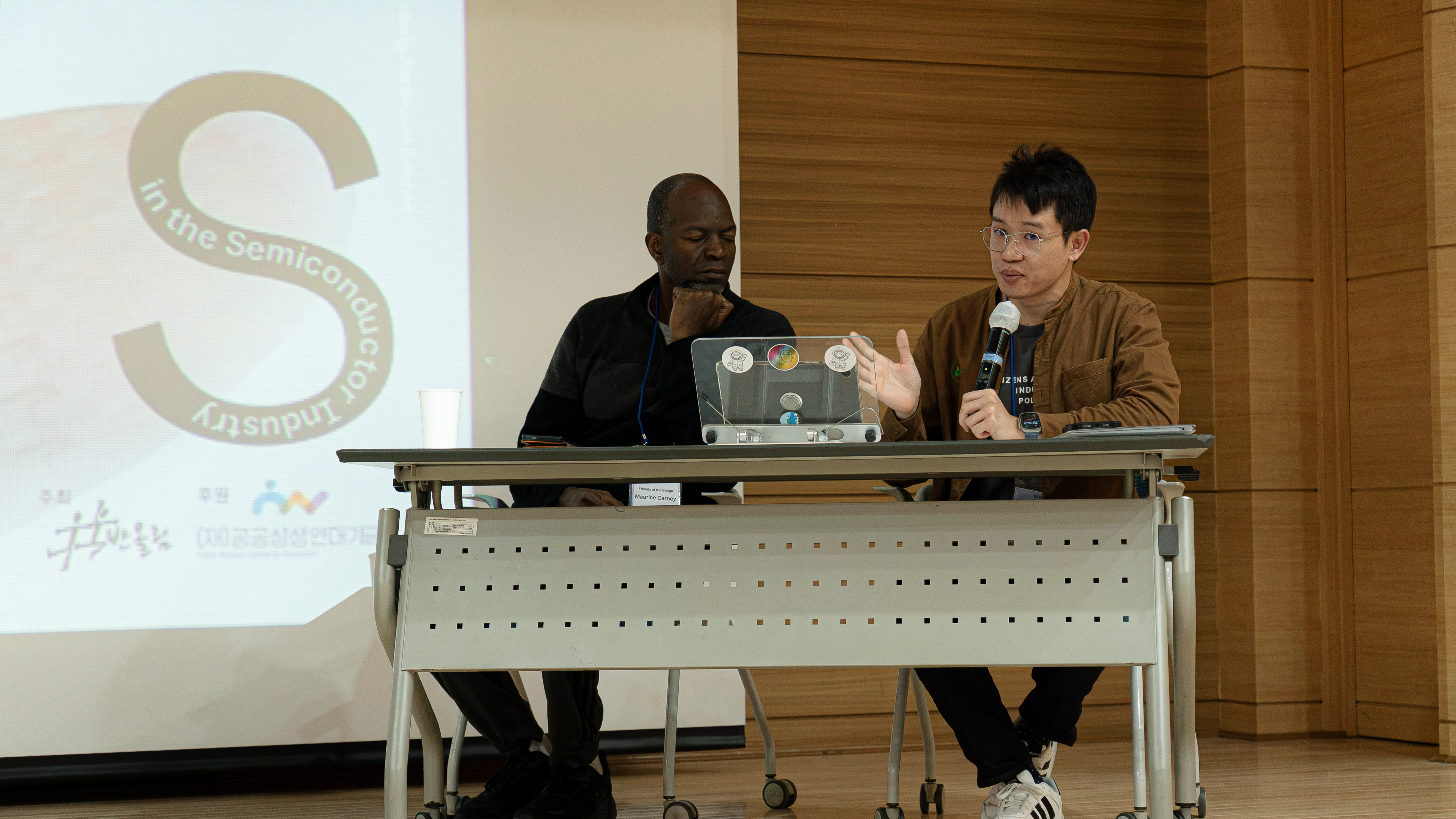
Marie Therese Png(Basandja Coalition / Green Screen Coalition), Maurice Carney(Friends of the Congo) Petna Ndaliko Katondolo(Basandja Coalition)
Hyunjoo Kim(Labor Health Policy Forum), Myounghee Kim (Solidarity for Workers’ Health) , Seoung-gyu Jo(SHARPS), Rochelle Porras(Good Electronics)
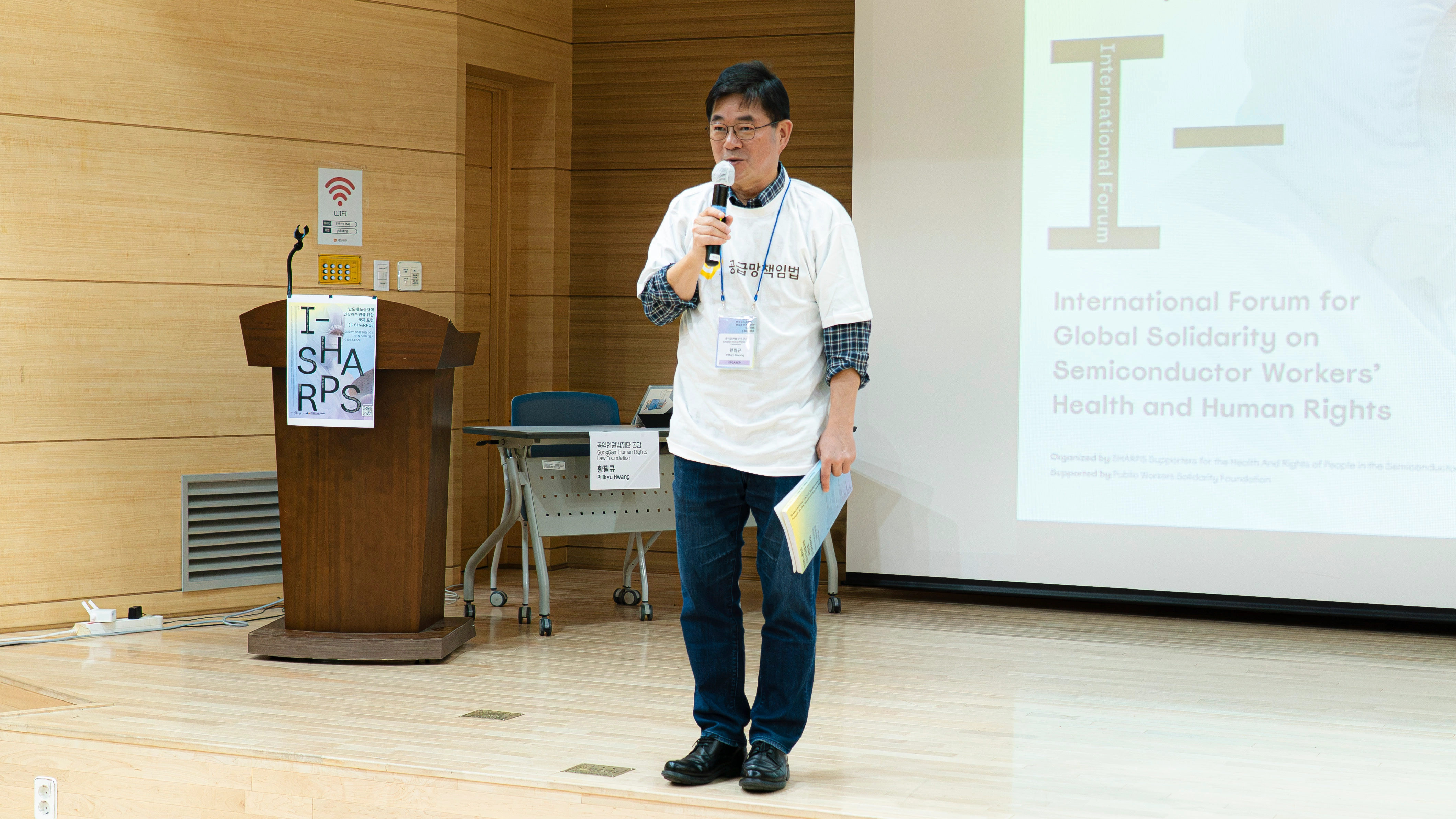
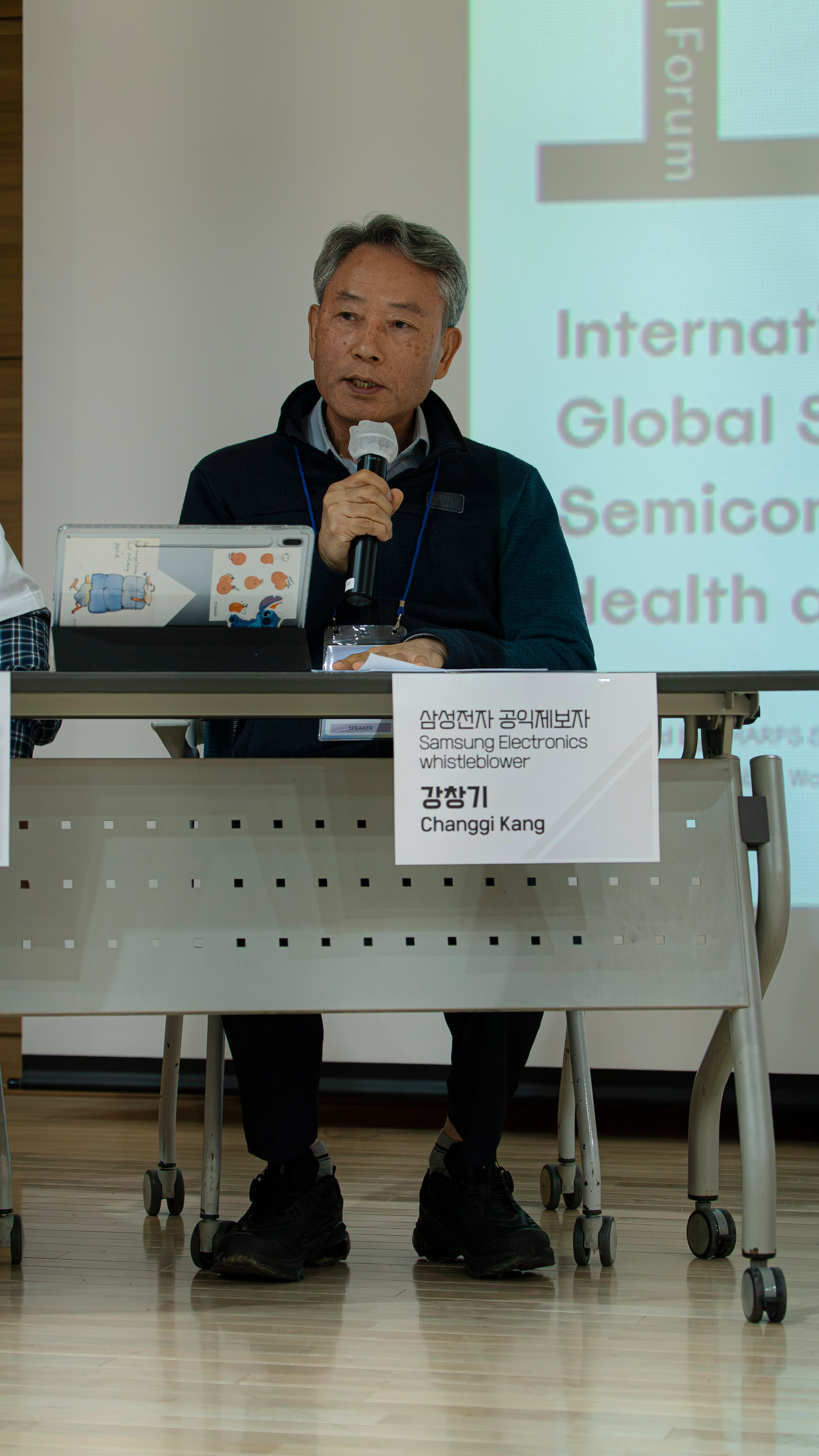
Pillkyu Hwang(GongGam Human Rights Law Foundation),Chang-gi Kang, Hyunjun Yang(KTNC Watch (Korean Transnational Corporations Watch))
Ralra(Dasan humanrights center), Hyunjoo Kim(Labor Health Policy Forum), Seon-kyeong Kim, Hyangsuk Jung(SHARPS)
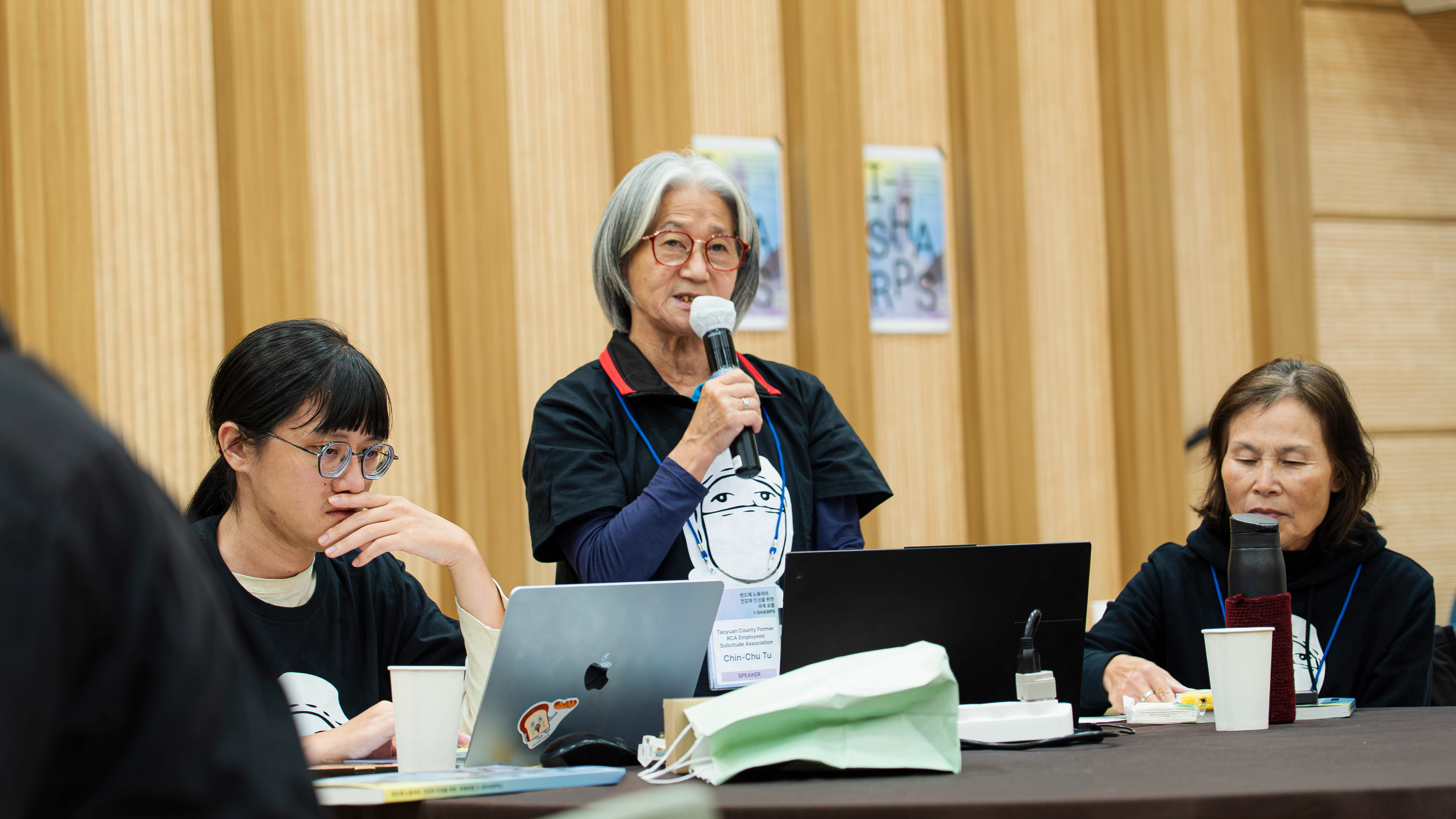
Ray(TUEEIT/TTNC watch), Judith Barish(CHIPS Communities United), TANG,LIN-HSIANG(Environmental Rights Foundation) Nien yun (TAVOI), Chin-Chu Tu 杜津珠 (Taoyuan County Former RCA Employees' Solicitude Association), Feng-Chu Lu 盧鳳珠 (Taoyuan County Former RCA Employees' Solicitude Association) Yao Lin Liu(TUEEIT)
Articles
"콩고 광산과 태국 폐기물장 없으면 반도체도 없다…그러나 대가는 오염, 파괴, 수탈"
프레시안 손가영 기자, 2026. 10. 29.
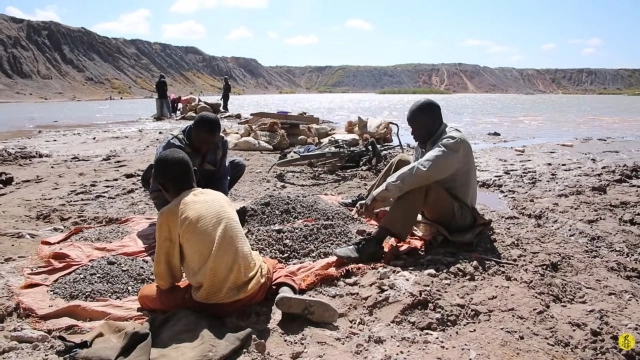
쌀은 논에서 생산돼 밥상 위에 놓이고, 분변을 거쳐 하수 처리돼 땅으로 돌아간다. 시작은 씨앗과 땅이고, 끝도 분해된 원소와 땅이다. 그럼 반도체의 시작과 끝은 어디일까. 시작은 초정밀 반도체 공장이고, 끝은 쓰레기장일까?
페트나 은달리코 카톤돌로 씨는 "시작도 땅이고 끝도 땅"이라고 말했다. 시작은 구리, 탄탈룸, 주석, 코발트가 묻힌 땅이고, 끝은 북반구 국가가 쓰레기를 버리는 남반구의 땅이라는 것이다. 그는 반도체 공장은 그사이의 중간일 뿐 시작도 끝도 아니며, 그래서 우리는 모두 연결돼 있다고 강조했다.
모두가 반도체 살리기에 힘쓰는 사이… “노동자 안전·건강에도 관심 가져야”
한겨레21 장필수 기자, 2026. 10. 28.
노동권이 구석으로 몰리는 상황에서 ‘반올림’(반도체 노동자의 건강과 인권지킴이 반올림)이 2026년 10월28~30일 반도체산업 노동자의 직업병, 노동권 침해, 지역사회의 환경 등을 주제로 국제포럼을 연다. 포럼에 참석하는 여러 연사 중 반도체 노동자의 생식 건강 문제를 젠더 관점에서 다룰 김현주 이대목동병원 직업환경의학과 교수(사진)를 전화로 만났다.

반도체산업 성장 뒤편 노동·환경 피해…25개 국제단체, 기업 책임 촉구
한국NGO신문 이영일 기자, 2026.10.31.
반도체 산업의 성장 과정에서 노동자의 건강과 인권, 지역 환경이 희생돼서는 안 된다는 국제 시민사회의 목소리가 나왔다. 국내외 25개 단체는 직업병 피해 구제와 유해화학물질 관리 강화, 여성 노동자의 건강권 보호, 기업의 공급망 책임을 요구하며 공동 대응에 나섰다.
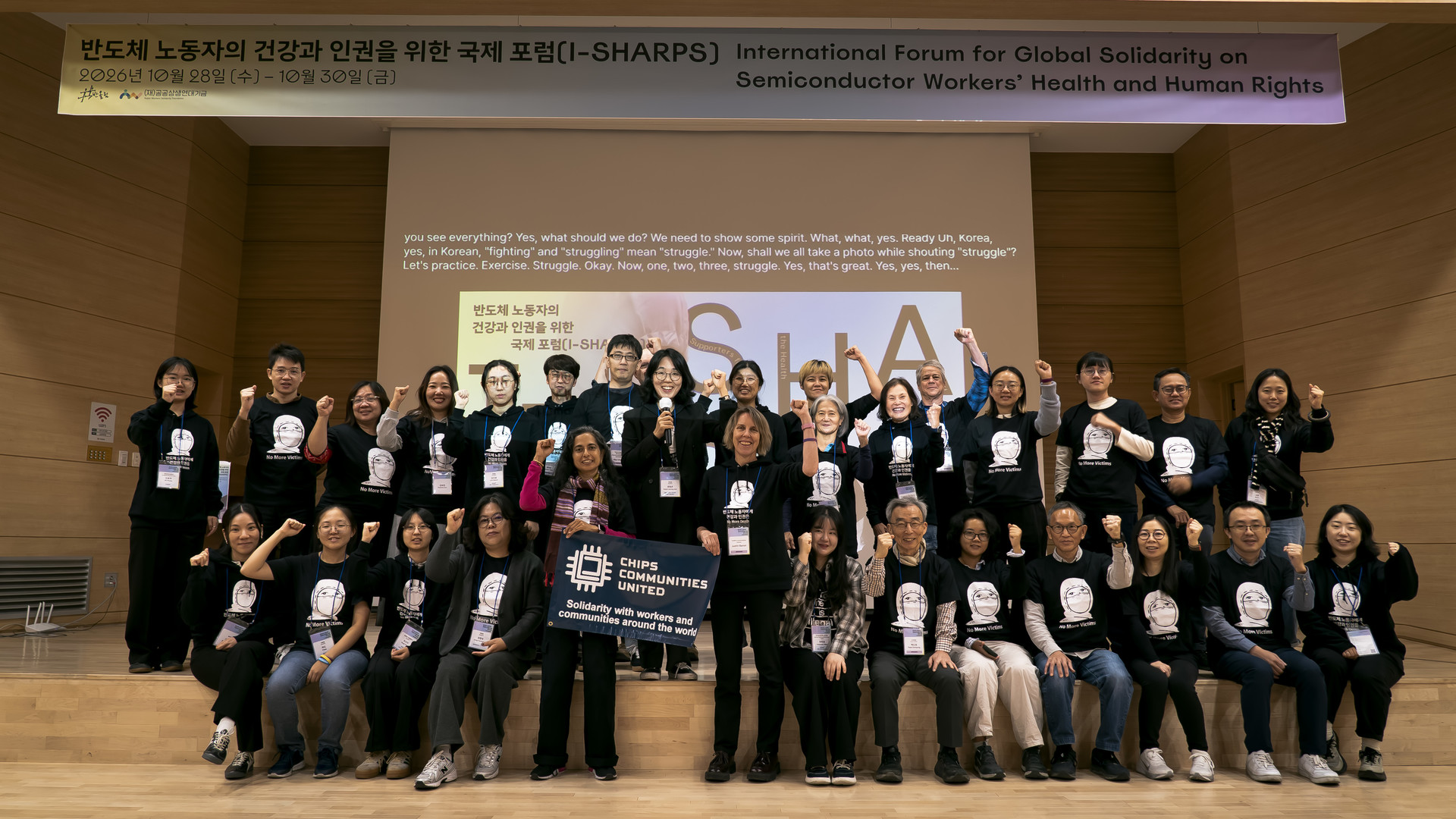
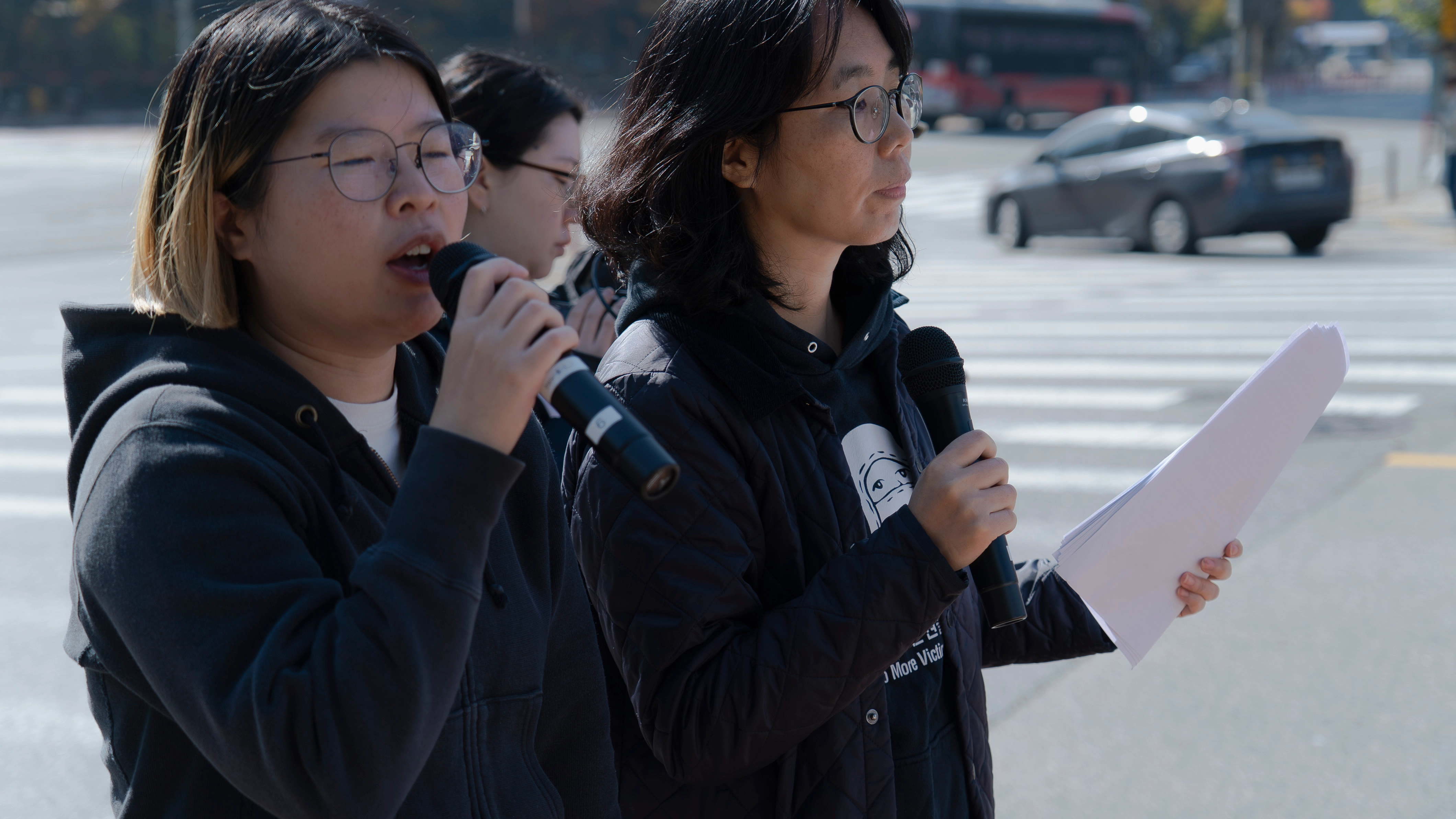
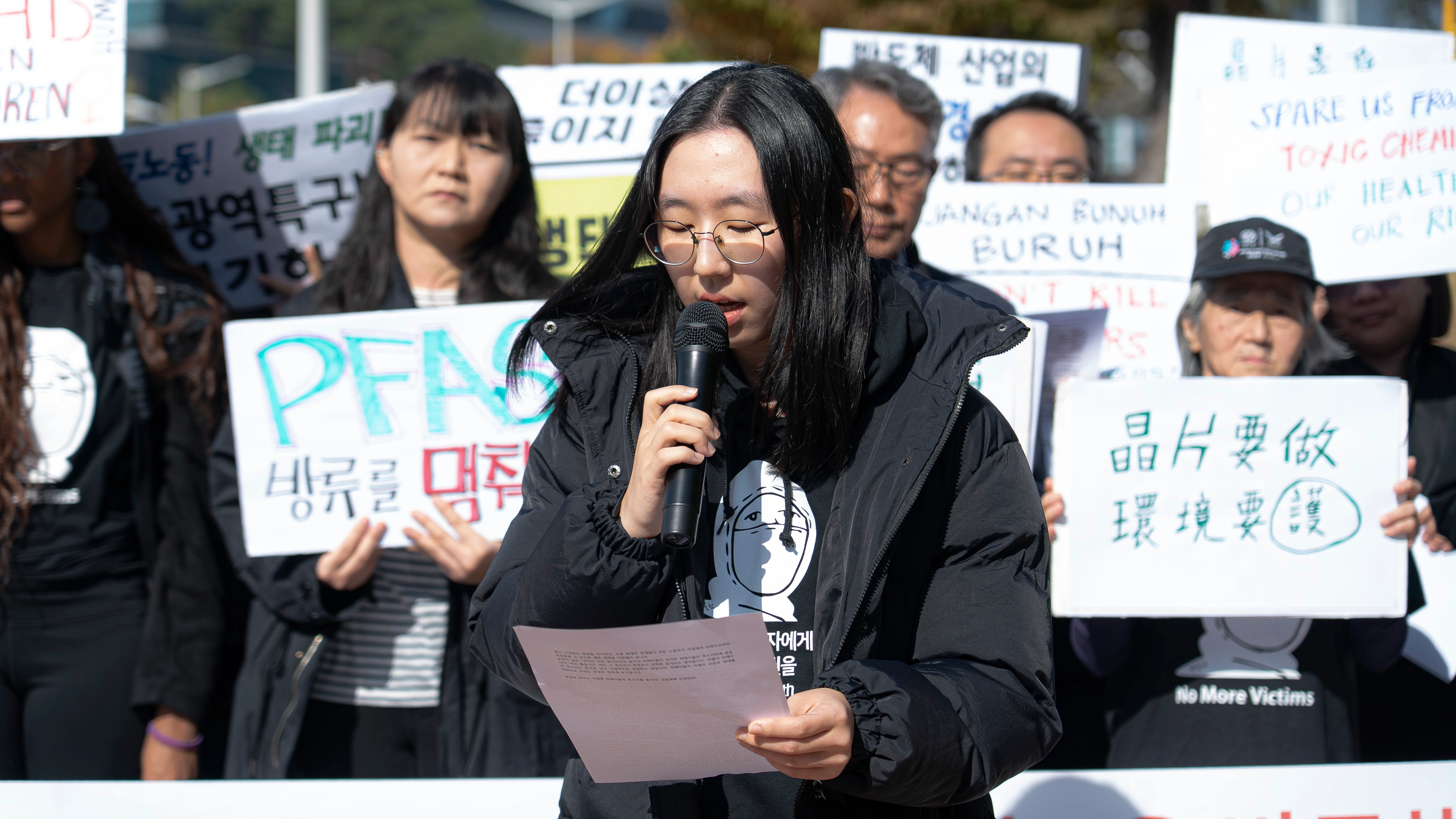
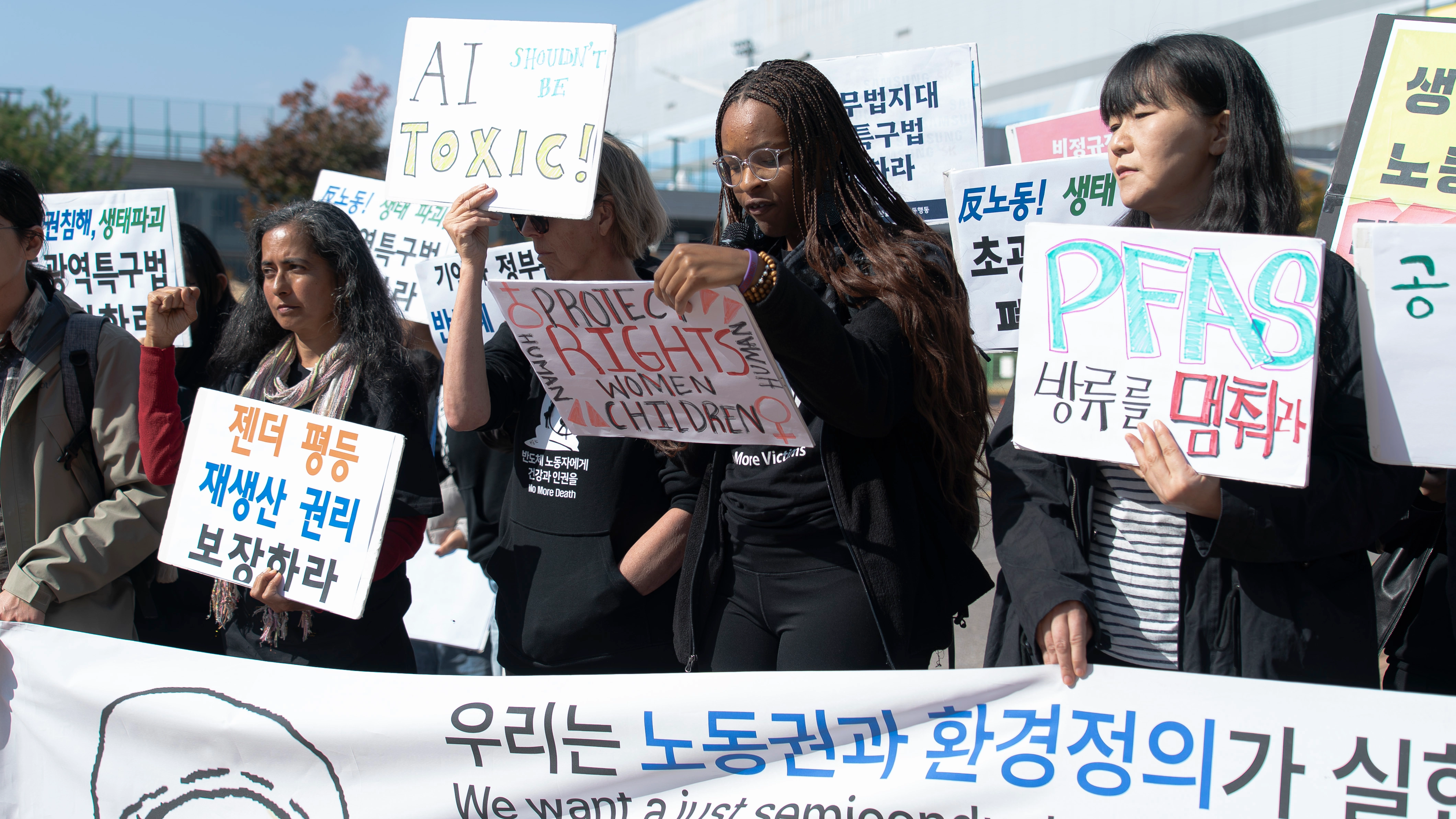
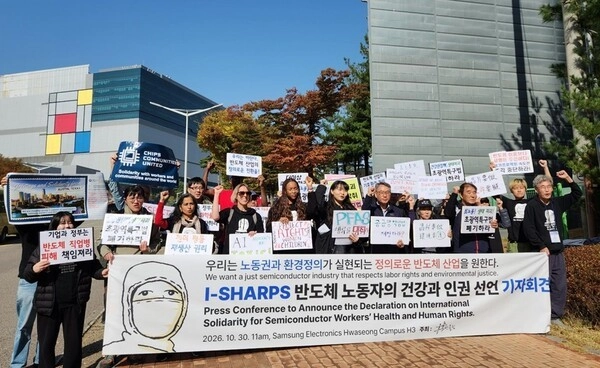
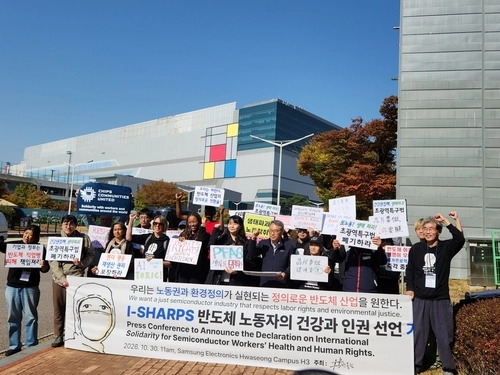
반도체 노동자의 건강과 인권지킴이 반올림과 국제포럼(I-SHARPS) 참가단체들은 30일 오전 삼성전자 화성사업장 H3 앞에서 기자회견을 열고 ‘반도체 노동자의 건강과 인권을 위한 국제 선언문’을 발표했다.
South Korean, Taiwanese Semiconductor Workers Say 'Worker Health as Important as Corporate Growth'
Yonhap Infomax Reporter Young Sook Yoon, 2026. 10. 30.
South Korean and Taiwanese workers suffering from occupational diseases in the semiconductor and electronics industries have launched an international joint response, calling for expanded recognition of industrial accidents and disclosure of hazardous chemical information.
SHARPS (Supporters for the Health and Rights of People in the Semiconductor Industry) and participating organizations from the International Forum (I-SHARPS) held a press conference on the morning of the 30th in front of Samsung Electronics' Hwaseong H3 facility, announcing an "International Declaration for the Health and Human Rights of Semiconductor Workers."
The Forum aims to serve as a starting point for building a global framework for cooperation,
ensuring that the rapid growth of the semiconductor industry in the AI era is accompanied
by equal progress in protecting workers' health, human rights, and the environment.