The film session “Global Electronics Supply Chains and Women Workers’ Voices” was successfully conducted at the 6th UN Responsible Business and Human Rights Forum, Asia-Pacific, in Bangkok.
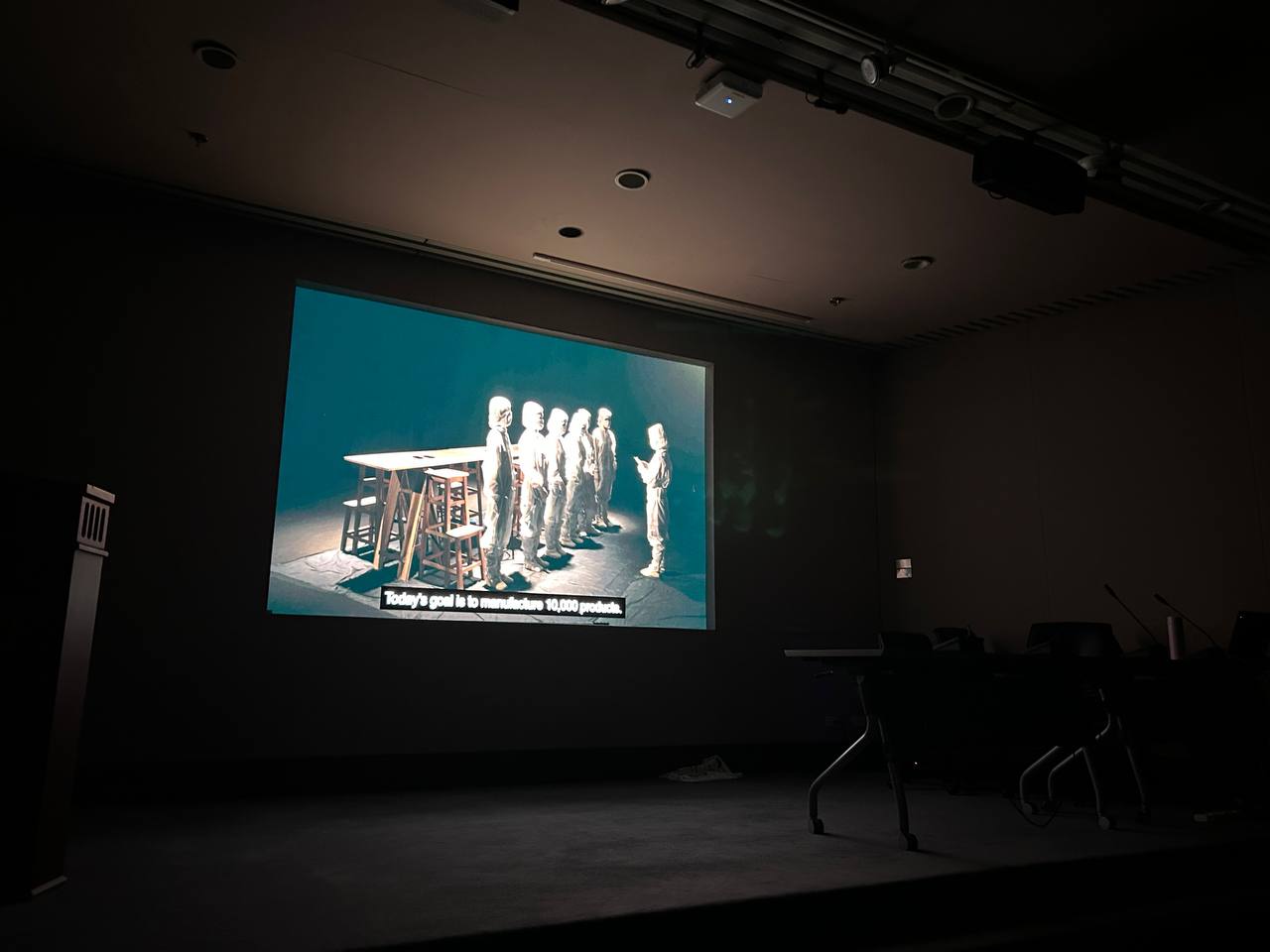
The screening of “Women Workers from Vietnam” by filmmaker Parsifal Reparato featured the voices of Vietnamese Samsung women workers and sparked discussion on electronics supply chains, labor rights, and corporate responsibility. The movie was made with research and production support from the University of Naples L’Orientale and the Vietnam Academy of Social Sciences.
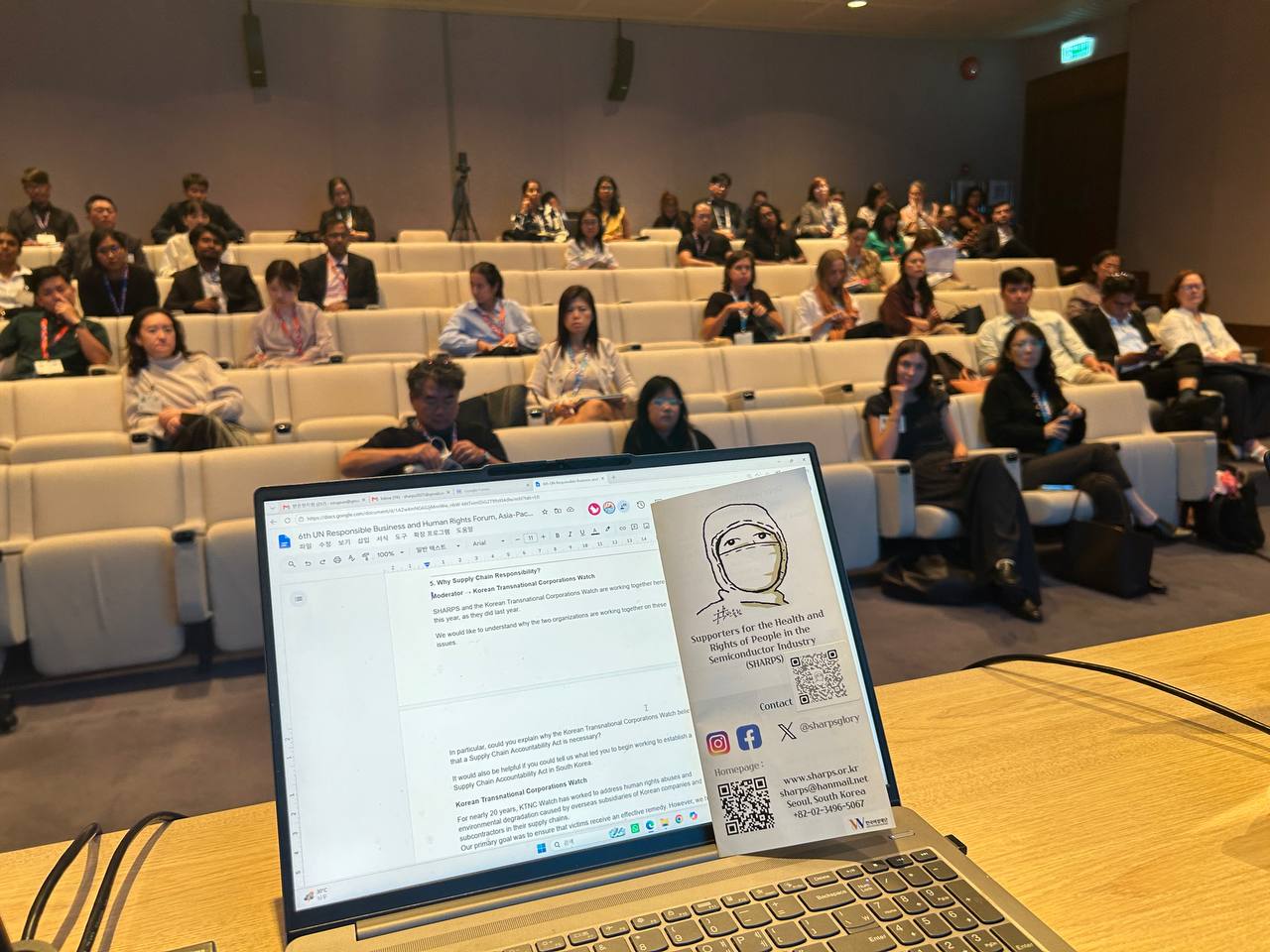
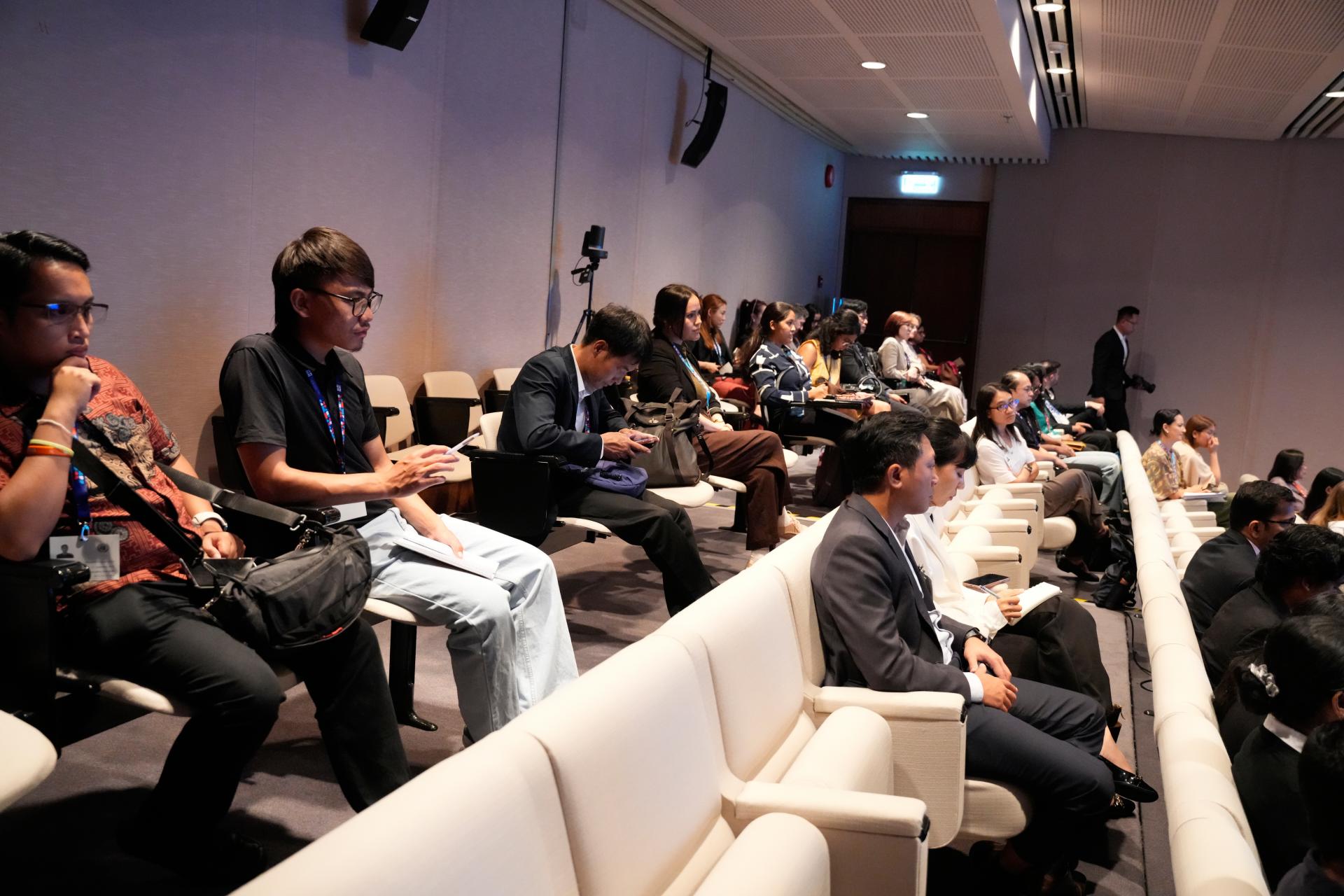
More than 40 participants, including Vietnamese activists, the Vietnamese Embassy, company representatives, and affected communities, joined the session. Kwon Young-eun of SHARPS and Yang Hyun-jun of Korean Transnational Corporations Watch highlighted women workers’ rights and the need for a Supply Chain Responsibility Law. Arm Punyathorn of Environmental Justice Foundation, Thailand, moderated the session.
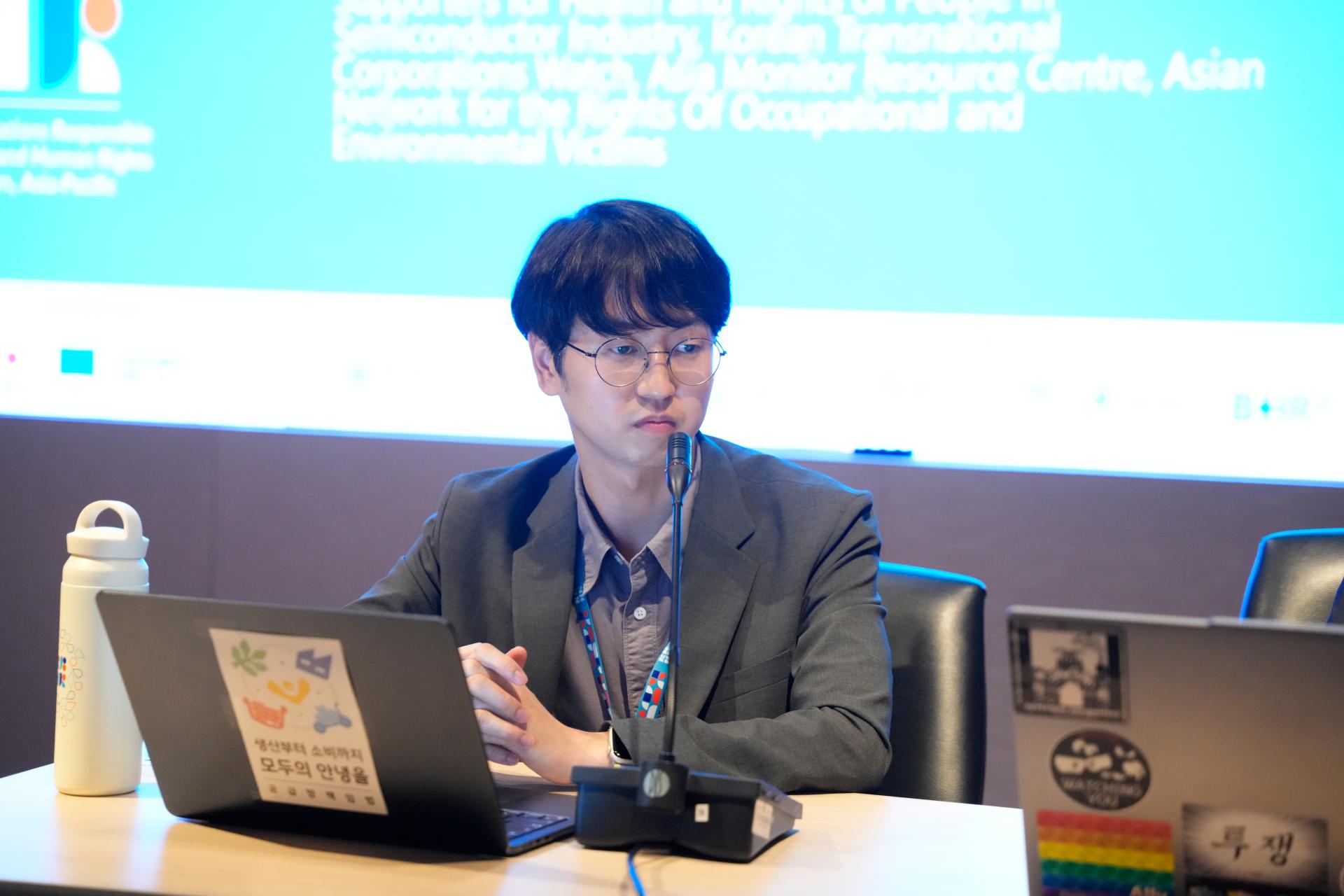
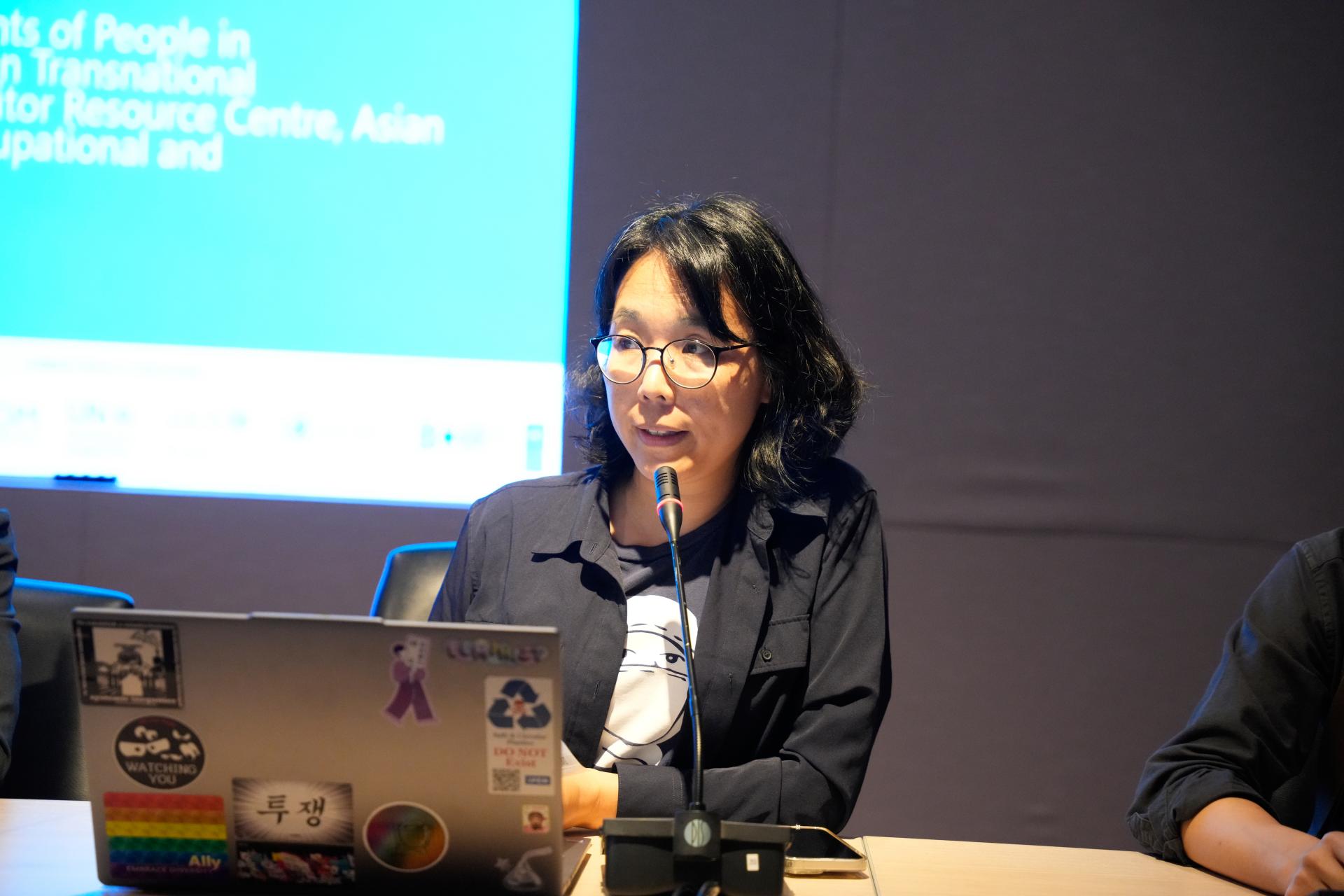
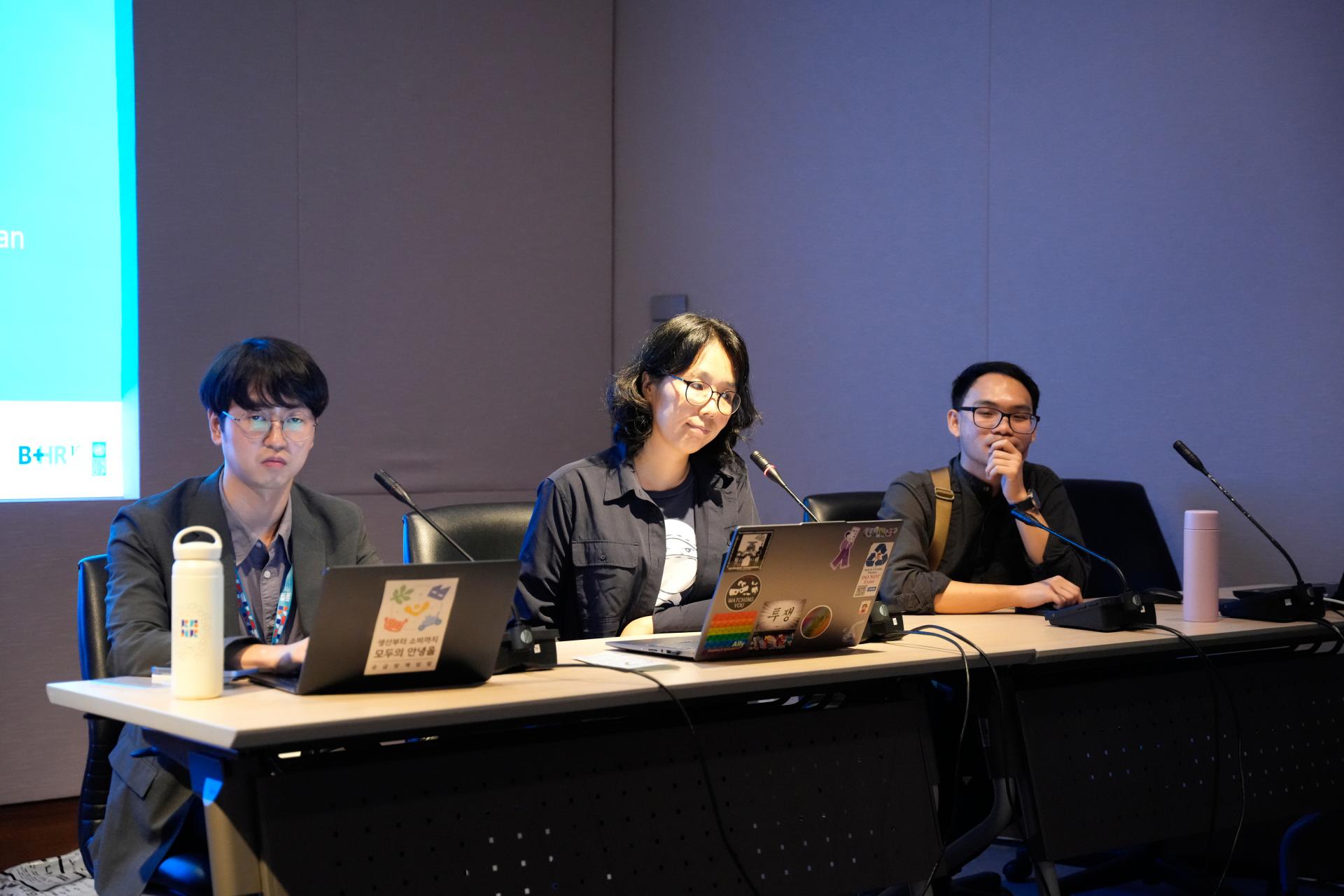
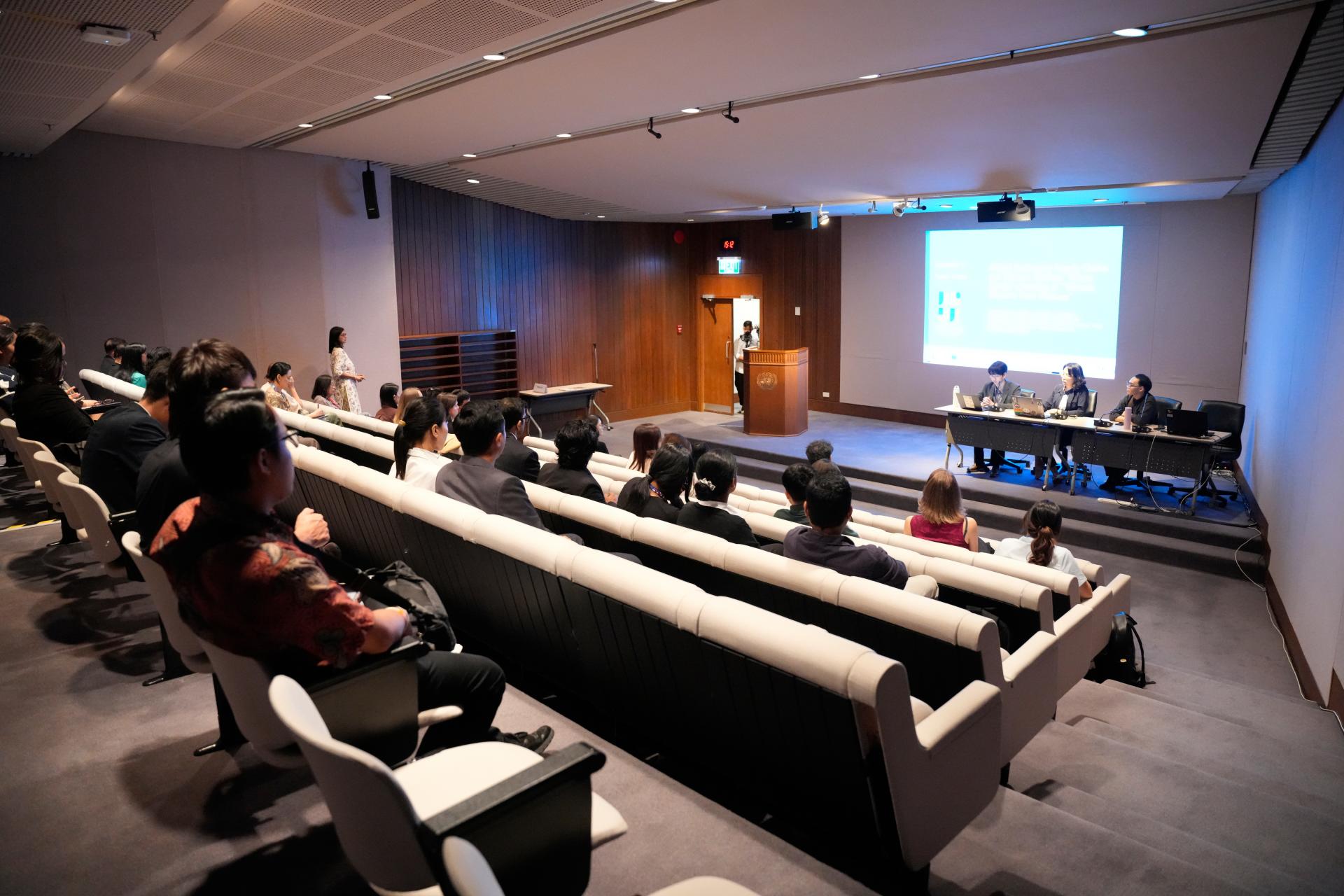
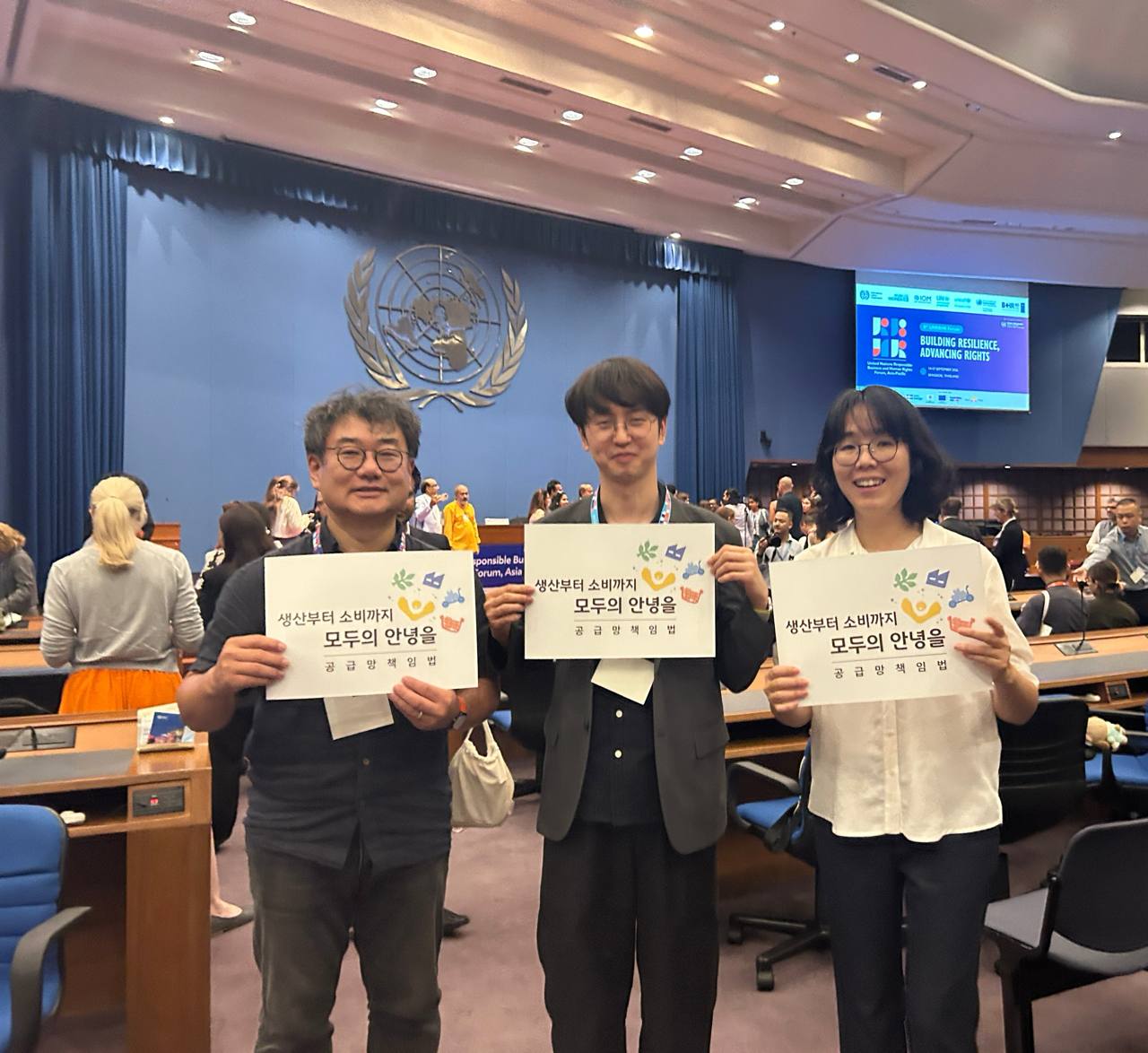
The session concluded with participants holding signs supporting the campaign for stronger supply chain accountability.
-------------------------------------------------------------------------------
6th UN Responsible Business and Human Rights Forum, Asia-Pacific
September 15 (Tuesday), 14:15–15:15
Special Film Screening
Global Electronics Supply Chains and Women Workers’ Voices:
Special Screening of “Women Workers from Vietnam”
-Director: Parsifal Reparato
-Moderator
Punyathorn Jeungsmarn ( Environmental Justice Foundation (EJF), Thailand )
-Panelists
Young Eun Kwon (SHARPS – Supporters for Health and Rights of People in the Semiconductor Industry)
Hyunjun Yang (KTNC Watch (Korean Transnational Corporations Watch))
Before the Film
Moderator
Today, we will watch a film about the voices of women workers at Samsung in Vietnam.
It is a short film, about 30 minutes long. But it shows the difficulties women workers face at work, their concerns about their health, and their worries about their families and their lives.
While watching the film, I would like you to think about one question:
“Is this only a problem in one factory, or is it a problem that is repeated throughout global electronics supply chains?”
Let’s watch the film together.
After the Film
1. Short Introductions
Moderator
First, I would like to briefly introduce our panelists.
SHARPS is a civil society organization in South Korea that has worked for the health and human rights of semiconductor workers. SHARPS began by addressing occupational diseases among Samsung semiconductor workers. Since then, SHARPS has expanded its work to chemical safety, workers’ right to know, recognition of occupational diseases, and corporate responsibility in global supply chains. Today, we are joined by Young Eun Kwon from SHARPS.
We are also joined by the Korean Transnational Corporations Watch. The KTNC Watch network has worked to address human rights issues related to corporations and to strengthen corporate responsibility in South Korea. It is also campaigning for a Supply Chain Due Diligence Accountability Act, so-called mHREDD act. We are joined by Hyunjun Yang from KTNC Watch.
2. Background of the Film
Moderator
The film showed us the difficulties women workers face at work, their concerns about their health, and their worries about their families and their lives. We could also see the double burden many women workers in Asia face. They have to support their families financially, while at the same time they may feel guilty that they cannot spend enough time caring for their families.
The director shows us the lives of women workers at a global company, Samsung, and helps us see a reality that is often difficult to see from outside.
Could you tell us about the background of this film?
SHARPS
The director told us that this film was made at the request of a Vietnamese trade union as educational material, based on the experiences and voices of women workers in Vietnam. The director also worked with a university to interview women workers.
Although the director could not enter the workplaces directly, he showed the lives of women workers through interviews and filming in their dormitories, in their hometowns, and in places they visit in their daily lives, such as shops and nail salons.
He later made a commercial film called SHE, which is now being shown at different film festivals and will soon be screened in Vietnam.
3. How Did You Watch the Film?
Moderator
After watching the film, I think we have many things to think about. SHARPS has worked on the health and human rights of semiconductor workers for a long time. How did you see this film from the perspective of SHARPS?
SHARPS
This film is particularly meaningful to SHARPS because, about 20 years ago, SHARPS also began its work by listening to women workers who had lost their health while working in South Korea’s semiconductor industry.
The stories that women workers at Samsung’s semiconductor factories in South Korea told us at that time were very similar to the stories we hear from the women workers in Vietnam in this film.
Many of these young women were working to support their younger brothers or their families. They were working within a gendered structure, and their health problems could become more serious because of particular vulnerabilities of women’s bodies to chemicals. However, they were often more hesitant than men to raise concerns or speak out about these problems.
In the semiconductor industry, women workers were often placed in operator positions, while men were more often engineers. There were gender differences in access to information about chemicals, as well as in wages and opportunities for promotion.
I think this shows that these are not isolated problems. They are recurring problems in the global electronics industry.
The issue of occupational diseases in the semiconductor industry can be understood not only as a gender issue, but also as showing that the outsourcing of risk does not happen only within one country.
When regulations become stronger and social pressure increases in South Korea, companies may move their production facilities to other countries where wages are lower and regulations are weaker.
Women Workers and SHARPS’ Work
Moderator
Could you also introduce some of SHARPS’ work for women workers in the semiconductor and electronics industry?
SHARPS
SHARPS has continued to raise concerns about women workers’ health based on the testimonies we have received from women workers.These concerns have included menstrual irregularities, infertility, miscarriage, and skin diseases, as well as health problems affecting their children. A 10-year study by the Korean government also found that breast cancer among women semiconductor workers was three times higher than among the general working population. The Children’s Occupational Disease Act was also established, opening a way for children’s health problems to be recognized as occupational diseases in certain cases.
We also published a book called People Who Make Problems into Problems, which includes the experiences and testimonies of affected workers, as well as the stories of experts who have worked on these issues.There are also films that tell these stories, including Body Alerts and Colorless, Odorless.
In South Korea, the problems of occupational diseases at Samsung’s semiconductor factories became widely known. Through the mediation agreement between Samsung and SHARPS, we were able to make progress on compensation and preventive measures, and there have been many improvements compared with the past.
However, risks are still moving to subcontracted workers, who have less power to raise concerns, and to countries where regulations are weaker. So, one of SHARPS’ ongoing tasks is to find ways to hold companies accountable across national borders.
4. Outsourcing of Risk and Problems in Global Supply Chains
Moderator
Let us now talk about the more structural issues.
We should not see the problems shown in the film only as individual difficulties faced by workers.
We also need to look at them as problems of outsourcing of risk and global supply chains.
What kind of work has SHARPS been doing on these issues?
SHARPS
In 2023, SHARPS worked with IPEN and CGFED to publish a report on working conditions and environmental issues related to Samsung in Vietnam. You can access the related video and report through the QR code in the brochure we have distributed today. The research was based on a large amount of material provided by a whistleblower who had worked at Samsung for about 40 years as an occupational health and safety manager.
His testimony and the materials he provided allowed us to see not only problems in occupational health and safety management inside the factory, but also problems in environmental management. One particularly important finding was that 48% of the chemicals used at the factory contained at least one substance with carcinogenic, mutagenic, or reproductive toxic properties.
There were also problems with pollution control facilities. In some cases, facilities for properly blocking or capturing hazardous substances, ventilation systems, hoods, and pollution control equipment were insufficient or absent.
If hazardous chemicals used in factories are not properly managed, they can affect not only workers’ health but also the environment and communities outside the factory.
The video produced by NewsTapa, based on the report and its field investigation, also showed possible pollution from the factory through emissions from stacks and wastewater. It shows how hazardous substances that are not properly managed can affect workers first, and then extend to surrounding communities and the environment.
5. Why Supply Chain Responsibility?
Moderator → Korean Transnational Corporations Watch
SHARPS and the Korean Transnational Corporations Watch are working together here again this year, as they did last year.
We would like to understand why the two organizations are working together on these issues.
In particular, could you explain why the Korean Transnational Corporations Watch believes that a Supply Chain Accountability Act is necessary? It would also be helpful if you could tell us what led you to begin working to establish a Supply Chain Accountability Act in South Korea.
Korean Transnational Corporations Watch
For nearly 20 years, KTNC Watch has worked to address human rights abuses and environmental degradation caused by overseas subsidiaries of Korean companies and subcontractors in their supply chains.
Our primary goal was to ensure that victims receive an effective remedy. However, we have faced so many limitations, and the number of victims we have actually been able to secure a remedy for has been very small. When we tried to bring cases in Korea, they were often dismissed on jurisdictional grounds. Complaints to the OECD NCP have also failed to produce meaningful results. We have also tried putting pressure on companies through media coverage and other forms of public campaigning, but in many cases, companies did not feel enough pressure to change.
Through these experiences, KTNC Watch came to believe that we need an mHREDD law to hold companies accountable for human rights and environmental problems in their supply chains, and to ensure that victims can access effective remedies.
SHARPS is also a member organization of KTNC Watch. SHARPS addresses the outsourcing of risks in workplaces, including occupational health and safety risks, also from the perspective of supply-chain accountability.
We are calling the mHREDD law the “Supply Chain Accountability Act” in Korean, to make the concept easier to understand. We are working to build support for the law among the general public, civil society, trade unions, and policymakers.
6. Future Plans and Solidarity in Asia
Moderator → Korean Transnational Corporations Watch
I understand that the Korean Transnational Corporations Watch is working to establish a supply chain accountability law, which would be one of the first such efforts in Asia.
What kind of work are you planning to do to make this law a reality?
And is there anything you would especially like to say to the international audience here today?
Korean Transnational Corporations Watch
The Supply Chain Accountability Act requires companies to take accountability for adverse human rights and environmental impacts in their supply chains through due diligence.
The scope of due diligence covers not only the company itself, but also the business activities of companies within its supply chain, including controlled companies, direct suppliers, and indirect suppliers.
Due diligence is a process of identifying adverse impacts, developing and implementing measures to address them, and then evaluating those measures and feeding the results back into the process.
To explain it easily, if there is a risk that a problem may occur, companies should identify and prevent it. And when a problem has already occurred and is brought to their attention by victims or others, they should address the problem and provide remedy to those affected.
The law requires companies to take accountability through their own due diligence. At the same time, if a company fails to conduct proper due diligence and a problem occurs as a result, a government committee can intervene, and the company can also be held civil liability for damages.
Moderator → KTNC Watch
As I understand it, KTNC Watch is working to become the first in Asia to legislate a Supply Chain Accountability Act.
Could you tell us what activities you are planning to help make this law a reality?
And finally, is there anything in particular you would like to say to the international audience gathered here today?
Korean Transnational Accountability Watch
Three years ago, KTNC Watch introduced Asia’s first mHREDD bill, but the bill lapsed when the parliamentary session ended. Last year, we introduced another bill, and there are now two additional bills that have been introduced.
But introducing a bill is only the beginning. There are still many steps that we need to overcome before the bill can be passed and implemented.
To make this happen, we are working to build a broader coalition, including civil society organizations and trade unions. We are also planning a public campaign that uses simpler language and, importantly, a message of hope — showing people how things could change if we have a Supply Chain Accountability Act.
We will also continue engaging with members of the National Assembly and urging them to support the legislation.
International solidarity can also make a big difference. If everyone here continues to take an interest in our campaign and supports us, we will do our very best to make the Supply Chain Accountability Act a reality in Korea.
Moderator → SHARPS
Could you also tell us about SHARPS’ future plans?
SHARPS
SHARPS is currently preparing I-SHARPS, the International Forum for Global Solidarity on Semiconductor Workers’ Health and Human Rights. The forum will bring together activists and experts from different countries, including South Korea, Taiwan, the United States, and Japan. We will discuss not only occupational diseases, but also chemical safety, workers’ right to know, gender, subcontracting and the outsourcing of risk, corporate responsibility, and global supply chains.
We want to share experiences of how people have responded to problems in the semiconductor industry in different countries and build stronger solidarity.
7. Questions and Comments from the Floor
Moderator
8. Closing
Moderator
We have had only a short time to watch the film and discuss these issues.
But I think the film has shown us that this is not simply a problem of one factory or one country.
It is an issue that we need to think about together as part of the global electronics supply chain.
Women workers’ health, workers’ right to know, corporate responsibility, and the safety of local communities and the environment are all connected.
There are many things we could not discuss today.
I hope we can continue the conversation through the contacts on the brochures and business cards we have shared today.
I also work with an environmental organization in Thailand, and I have been working on similar issues.
It has been very meaningful to meet SHARPS and the Korean Transnational Corporations Watch here.
I hope there will be more opportunities for solidarity between organizations in Thailand and other parts of Asia, and organizations such as SHARPS and the Korean Transnational Corporations Watch in Korea.
Thank you very much for joining us today.
Thank you.


The film session “Global Electronics Supply Chains and Women Workers’ Voices” was successfully conducted at the 6th UN Responsible Business and Human Rights Forum, Asia-Pacific, in Bangkok.
-------------------------------------------------------------------------------
6th UN Responsible Business and Human Rights Forum, Asia-Pacific
September 15 (Tuesday), 14:15–15:15
Special Film Screening
Global Electronics Supply Chains and Women Workers’ Voices:
Special Screening of “Women Workers from Vietnam”
-Director: Parsifal Reparato
-Moderator
Punyathorn Jeungsmarn ( Environmental Justice Foundation (EJF), Thailand )
-Panelists
Young Eun Kwon (SHARPS – Supporters for Health and Rights of People in the Semiconductor Industry)
Hyunjun Yang (KTNC Watch (Korean Transnational Corporations Watch))
Before the Film
Moderator
Today, we will watch a film about the voices of women workers at Samsung in Vietnam.
It is a short film, about 30 minutes long. But it shows the difficulties women workers face at work, their concerns about their health, and their worries about their families and their lives.
While watching the film, I would like you to think about one question:
“Is this only a problem in one factory, or is it a problem that is repeated throughout global electronics supply chains?”
Let’s watch the film together.
After the Film
1. Short Introductions
Moderator
First, I would like to briefly introduce our panelists.
SHARPS is a civil society organization in South Korea that has worked for the health and human rights of semiconductor workers. SHARPS began by addressing occupational diseases among Samsung semiconductor workers. Since then, SHARPS has expanded its work to chemical safety, workers’ right to know, recognition of occupational diseases, and corporate responsibility in global supply chains. Today, we are joined by Young Eun Kwon from SHARPS.
We are also joined by the Korean Transnational Corporations Watch. The KTNC Watch network has worked to address human rights issues related to corporations and to strengthen corporate responsibility in South Korea. It is also campaigning for a Supply Chain Due Diligence Accountability Act, so-called mHREDD act. We are joined by Hyunjun Yang from KTNC Watch.
2. Background of the Film
Moderator
The film showed us the difficulties women workers face at work, their concerns about their health, and their worries about their families and their lives. We could also see the double burden many women workers in Asia face. They have to support their families financially, while at the same time they may feel guilty that they cannot spend enough time caring for their families.
The director shows us the lives of women workers at a global company, Samsung, and helps us see a reality that is often difficult to see from outside.
Could you tell us about the background of this film?
SHARPS
The director told us that this film was made at the request of a Vietnamese trade union as educational material, based on the experiences and voices of women workers in Vietnam. The director also worked with a university to interview women workers.
Although the director could not enter the workplaces directly, he showed the lives of women workers through interviews and filming in their dormitories, in their hometowns, and in places they visit in their daily lives, such as shops and nail salons.
He later made a commercial film called SHE, which is now being shown at different film festivals and will soon be screened in Vietnam.
3. How Did You Watch the Film?
Moderator
After watching the film, I think we have many things to think about. SHARPS has worked on the health and human rights of semiconductor workers for a long time. How did you see this film from the perspective of SHARPS?
SHARPS
This film is particularly meaningful to SHARPS because, about 20 years ago, SHARPS also began its work by listening to women workers who had lost their health while working in South Korea’s semiconductor industry.
The stories that women workers at Samsung’s semiconductor factories in South Korea told us at that time were very similar to the stories we hear from the women workers in Vietnam in this film.
Many of these young women were working to support their younger brothers or their families. They were working within a gendered structure, and their health problems could become more serious because of particular vulnerabilities of women’s bodies to chemicals. However, they were often more hesitant than men to raise concerns or speak out about these problems.
In the semiconductor industry, women workers were often placed in operator positions, while men were more often engineers. There were gender differences in access to information about chemicals, as well as in wages and opportunities for promotion.
I think this shows that these are not isolated problems. They are recurring problems in the global electronics industry.
The issue of occupational diseases in the semiconductor industry can be understood not only as a gender issue, but also as showing that the outsourcing of risk does not happen only within one country.
When regulations become stronger and social pressure increases in South Korea, companies may move their production facilities to other countries where wages are lower and regulations are weaker.
Women Workers and SHARPS’ Work
Moderator
Could you also introduce some of SHARPS’ work for women workers in the semiconductor and electronics industry?
SHARPS
SHARPS has continued to raise concerns about women workers’ health based on the testimonies we have received from women workers.These concerns have included menstrual irregularities, infertility, miscarriage, and skin diseases, as well as health problems affecting their children. A 10-year study by the Korean government also found that breast cancer among women semiconductor workers was three times higher than among the general working population. The Children’s Occupational Disease Act was also established, opening a way for children’s health problems to be recognized as occupational diseases in certain cases.
We also published a book called People Who Make Problems into Problems, which includes the experiences and testimonies of affected workers, as well as the stories of experts who have worked on these issues.There are also films that tell these stories, including Body Alerts and Colorless, Odorless.
In South Korea, the problems of occupational diseases at Samsung’s semiconductor factories became widely known. Through the mediation agreement between Samsung and SHARPS, we were able to make progress on compensation and preventive measures, and there have been many improvements compared with the past.
However, risks are still moving to subcontracted workers, who have less power to raise concerns, and to countries where regulations are weaker. So, one of SHARPS’ ongoing tasks is to find ways to hold companies accountable across national borders.
4. Outsourcing of Risk and Problems in Global Supply Chains
Moderator
Let us now talk about the more structural issues.
We should not see the problems shown in the film only as individual difficulties faced by workers.
We also need to look at them as problems of outsourcing of risk and global supply chains.
What kind of work has SHARPS been doing on these issues?
SHARPS
In 2023, SHARPS worked with IPEN and CGFED to publish a report on working conditions and environmental issues related to Samsung in Vietnam. You can access the related video and report through the QR code in the brochure we have distributed today. The research was based on a large amount of material provided by a whistleblower who had worked at Samsung for about 40 years as an occupational health and safety manager.
His testimony and the materials he provided allowed us to see not only problems in occupational health and safety management inside the factory, but also problems in environmental management. One particularly important finding was that 48% of the chemicals used at the factory contained at least one substance with carcinogenic, mutagenic, or reproductive toxic properties.
There were also problems with pollution control facilities. In some cases, facilities for properly blocking or capturing hazardous substances, ventilation systems, hoods, and pollution control equipment were insufficient or absent.
If hazardous chemicals used in factories are not properly managed, they can affect not only workers’ health but also the environment and communities outside the factory.
The video produced by NewsTapa, based on the report and its field investigation, also showed possible pollution from the factory through emissions from stacks and wastewater. It shows how hazardous substances that are not properly managed can affect workers first, and then extend to surrounding communities and the environment.
5. Why Supply Chain Responsibility?
Moderator → Korean Transnational Corporations Watch
SHARPS and the Korean Transnational Corporations Watch are working together here again this year, as they did last year.
We would like to understand why the two organizations are working together on these issues.
In particular, could you explain why the Korean Transnational Corporations Watch believes that a Supply Chain Accountability Act is necessary? It would also be helpful if you could tell us what led you to begin working to establish a Supply Chain Accountability Act in South Korea.
Korean Transnational Corporations Watch
For nearly 20 years, KTNC Watch has worked to address human rights abuses and environmental degradation caused by overseas subsidiaries of Korean companies and subcontractors in their supply chains.
Our primary goal was to ensure that victims receive an effective remedy. However, we have faced so many limitations, and the number of victims we have actually been able to secure a remedy for has been very small. When we tried to bring cases in Korea, they were often dismissed on jurisdictional grounds. Complaints to the OECD NCP have also failed to produce meaningful results. We have also tried putting pressure on companies through media coverage and other forms of public campaigning, but in many cases, companies did not feel enough pressure to change.
Through these experiences, KTNC Watch came to believe that we need an mHREDD law to hold companies accountable for human rights and environmental problems in their supply chains, and to ensure that victims can access effective remedies.
SHARPS is also a member organization of KTNC Watch. SHARPS addresses the outsourcing of risks in workplaces, including occupational health and safety risks, also from the perspective of supply-chain accountability.
We are calling the mHREDD law the “Supply Chain Accountability Act” in Korean, to make the concept easier to understand. We are working to build support for the law among the general public, civil society, trade unions, and policymakers.
6. Future Plans and Solidarity in Asia
Moderator → Korean Transnational Corporations Watch
I understand that the Korean Transnational Corporations Watch is working to establish a supply chain accountability law, which would be one of the first such efforts in Asia.
What kind of work are you planning to do to make this law a reality?
And is there anything you would especially like to say to the international audience here today?
Korean Transnational Corporations Watch
The Supply Chain Accountability Act requires companies to take accountability for adverse human rights and environmental impacts in their supply chains through due diligence.
The scope of due diligence covers not only the company itself, but also the business activities of companies within its supply chain, including controlled companies, direct suppliers, and indirect suppliers.
Due diligence is a process of identifying adverse impacts, developing and implementing measures to address them, and then evaluating those measures and feeding the results back into the process.
To explain it easily, if there is a risk that a problem may occur, companies should identify and prevent it. And when a problem has already occurred and is brought to their attention by victims or others, they should address the problem and provide remedy to those affected.
The law requires companies to take accountability through their own due diligence. At the same time, if a company fails to conduct proper due diligence and a problem occurs as a result, a government committee can intervene, and the company can also be held civil liability for damages.
Moderator → KTNC Watch
As I understand it, KTNC Watch is working to become the first in Asia to legislate a Supply Chain Accountability Act.
Could you tell us what activities you are planning to help make this law a reality?
And finally, is there anything in particular you would like to say to the international audience gathered here today?
Korean Transnational Accountability Watch
Three years ago, KTNC Watch introduced Asia’s first mHREDD bill, but the bill lapsed when the parliamentary session ended. Last year, we introduced another bill, and there are now two additional bills that have been introduced.
But introducing a bill is only the beginning. There are still many steps that we need to overcome before the bill can be passed and implemented.
To make this happen, we are working to build a broader coalition, including civil society organizations and trade unions. We are also planning a public campaign that uses simpler language and, importantly, a message of hope — showing people how things could change if we have a Supply Chain Accountability Act.
We will also continue engaging with members of the National Assembly and urging them to support the legislation.
International solidarity can also make a big difference. If everyone here continues to take an interest in our campaign and supports us, we will do our very best to make the Supply Chain Accountability Act a reality in Korea.
Moderator → SHARPS
Could you also tell us about SHARPS’ future plans?
SHARPS
SHARPS is currently preparing I-SHARPS, the International Forum for Global Solidarity on Semiconductor Workers’ Health and Human Rights. The forum will bring together activists and experts from different countries, including South Korea, Taiwan, the United States, and Japan. We will discuss not only occupational diseases, but also chemical safety, workers’ right to know, gender, subcontracting and the outsourcing of risk, corporate responsibility, and global supply chains.
We want to share experiences of how people have responded to problems in the semiconductor industry in different countries and build stronger solidarity.
7. Questions and Comments from the Floor
Moderator
8. Closing
Moderator
We have had only a short time to watch the film and discuss these issues.
But I think the film has shown us that this is not simply a problem of one factory or one country.
It is an issue that we need to think about together as part of the global electronics supply chain.
Women workers’ health, workers’ right to know, corporate responsibility, and the safety of local communities and the environment are all connected.
There are many things we could not discuss today.
I hope we can continue the conversation through the contacts on the brochures and business cards we have shared today.
I also work with an environmental organization in Thailand, and I have been working on similar issues.
It has been very meaningful to meet SHARPS and the Korean Transnational Corporations Watch here.
I hope there will be more opportunities for solidarity between organizations in Thailand and other parts of Asia, and organizations such as SHARPS and the Korean Transnational Corporations Watch in Korea.
Thank you very much for joining us today.
Thank you.